


April 12 in Charleston: Where the Civil War Began… and Where the Stories Never End 👻⚓
- History, Haunts, & Hahas!
- 6 hours ago
- 4 min read
Charleston Civil War History + Ghost Lore (FACT vs. FOLKLORE, fully cited)
If you stand in Charleston on April 12, you are standing in the exact place where the American Civil War began before dawn in 1861. That part is not legend. That is documented in letters, military reports, and telegraphic newsprint.
What is layered on top of that history?
A city full of ghost stories—especially tied to soldiers, prisoners, and the aftermath of war.
At History, Haunts, & Hahas!, we do this the right way:
👉FACT is fact.
👉FOLKLORE is labeled.
👉Ghost stories are shared without overclaiming.
So let’s walk April 12 the way Charleston actually holds it:
history first… then the hauntings. Because all ghosts were people… and people love to ask what the ghosts do - but it’s importantly to also know who they are and the why they haunt.
⚔️ FACT: April 12, 1861 — The War Begins in Charleston Harbor

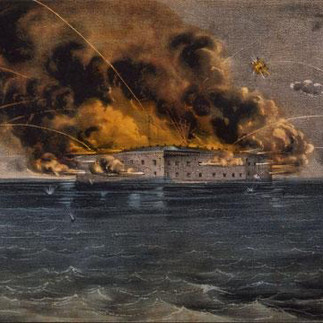


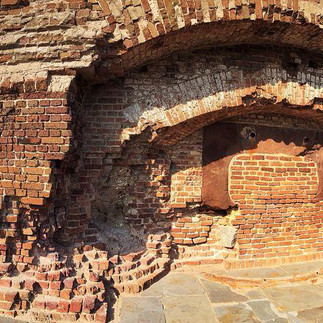


Before sunrise, Confederate aides delivered a written notice to Union Major Robert Anderson at Fort Sumter:
Fire would begin in one hour.
At 4:30 a.m., a signal shot from Fort Johnson exploded over the harbor—and Charleston’s surrounding batteries opened fire. (National Park Service)
Charleston wasn’t distant from this moment.
People climbed onto rooftops to watch the war begin.(NPS)
Within ~34 hours, Anderson surrendered. (National Archives)
And here’s the detail most tours miss:
👉 No one died during the actual bombardment.
👉 The first deaths came during a ceremonial salute after surrender. (NPS)
👻 INTERPRETATION: Why This Moment Fuels Ghost Stories
Charleston didn’t just see the war begin—it:
Surrounded the battle (harbor batteries everywhere)
Hosted military command, fire, and evacuation
Witnessed it collectively, as a city
That combination matters.
Whether you believe in ghosts or not,
Charleston created the perfect conditions for what people later interpret as hauntings:
Repetition (artillery fire patterns)
Emotional intensity (anticipation → conflict → surrender)
Physical imprint (damage, fire, occupation)
As we say on tour:
👉We’re not here to prove ghosts.
👉We’re here to follow the fingerprints.
👻 FOLKLORE: Civil War Ghosts of Charleston
Now we step into what Charleston says happened after April 12.
Not proven. Not dismissed. Just… recorded and shared.
⚓ Confederate Soldier Spirits – The Battery & South Battery





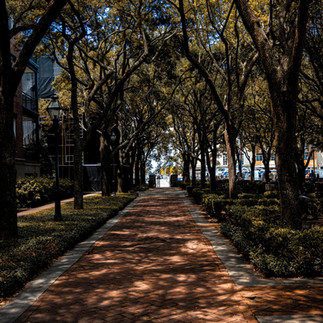


📍 Battery Carriage House Inn
FACT:
This area was heavily fortified during the Civil War
Confederate soldiers manned cannons along the Battery
FOLKLORE:
Reports of a mutilated Confederate soldier apparition
Often described as a “headless torso” or damaged figure
Sources:
South Carolina ETV Ghosts & Legends
Property history & National Geographic coverage of Charleston hauntings
This is one of Charleston’s most consistent Civil War ghost traditions—an unnamed Confederate soldier tied to wartime munitions and injury.
🏨 Confederate Presence – The Mills House





📍 The Mills House
FACT:
Active during the Civil War
Associated with Confederate presence and the Great Fire of 1861
FOLKLORE:
Guests report Confederate soldiers running through halls
Occasional claim of a figure resembling Robert E. Lee
Source:
Charleston City Paper haunted hotel feature
👉 Reality check:
There is no strong archival evidence that Lee haunts Charleston.
This is modern hospitality-era ghost lore.
⚔️ Union + Confederate Spirits – Fort Sumter



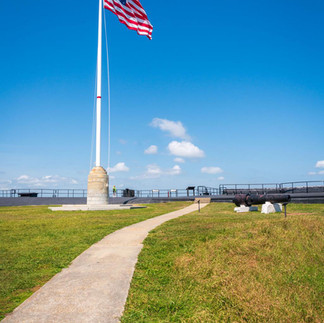

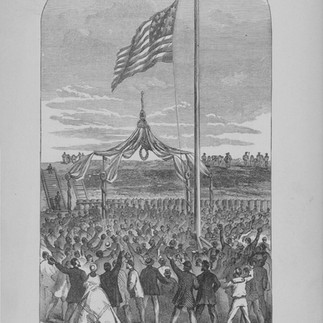
📍 Fort Sumter
FACT:
Site of April 12, 1861 bombardment
Later heavily shelled again in 1863 by Union forces
FOLKLORE:
Phantom cannon fire
Lingering soldiers from both sides
Named apparition: Daniel Hough
This is less about one ghost and more about a place where people feel like the battle never fully ended.
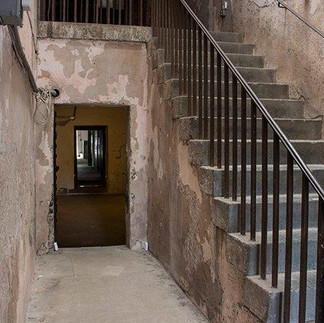
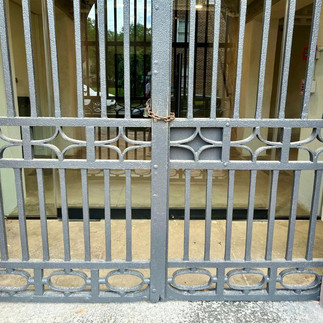
🔒 Civil War Prisoners – The Old City Jail


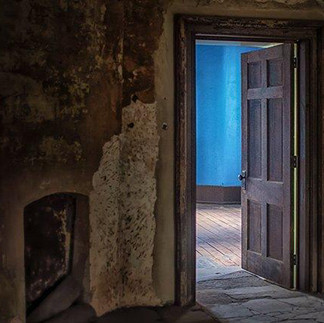


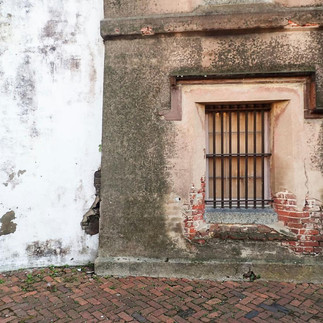




📍 Old Charleston City Jail
FACT:
Held prisoners during the Civil War
Site of confinement, illness, and suffering
FOLKLORE:
Spirits of former inmates (including wartime prisoners)
Residual emotional energy tied to incarceration
This isn’t one ghost—it’s a place where human suffering stacked over time.
🧭 What About Famous Generals?
Let’s be clear:
P. G. T. Beauregard
Robert E. Lee
FACT:
Both were absolutely connected to Charleston during the Civil War
Beauregard commanded the attack on Fort Sumter
Lee was in Charleston briefly in 1861
FOLKLORE:
Occasional ghost claims exist
BUT:
👉 There is no strong, repeatable, well-documented Charleston haunting tradition tied to them
The generals made the history. The places made the ghost stories.”
👻 The Real Pattern (And This Is the Good Stuff)
Charleston’s Civil War hauntings follow a pattern:
Not famous names
Not battlefield heroics
But places of pressure
👉 Cannons (Battery)
👉 Fire (Mills House)
👉 Bombardment (Fort Sumter)
👉 Confinement (Old City Jail)
That aligns with something we talk about on tour:
Stillness → motion → watchfulness → repetition
War doesn’t just leave records.
It leaves patterns people keep noticing.
🎭 Final Thought
April 12 is not just the anniversary of a battle.
It’s the moment Charleston:
Held its breath
Watched history happen in real time
And then… told stories about it for the next 160+ years
Some of those stories are documented.
Some are debated.
Some are just… felt.
👉 If you want to walk the harbor where the war began
👉 Hear what’s proven—and what’s whispered
Come take a Charleston ghost tour or haunted pub crawl with History, Haunts, & Hahas!
Because in this city…
The past doesn’t disappear.
It just changes how it shows up.👻✨


Comments