


Charleston Legends That Deserve Better Footnotes
- History, Haunts, & Hahas!
- 6 days ago
- 4 min read
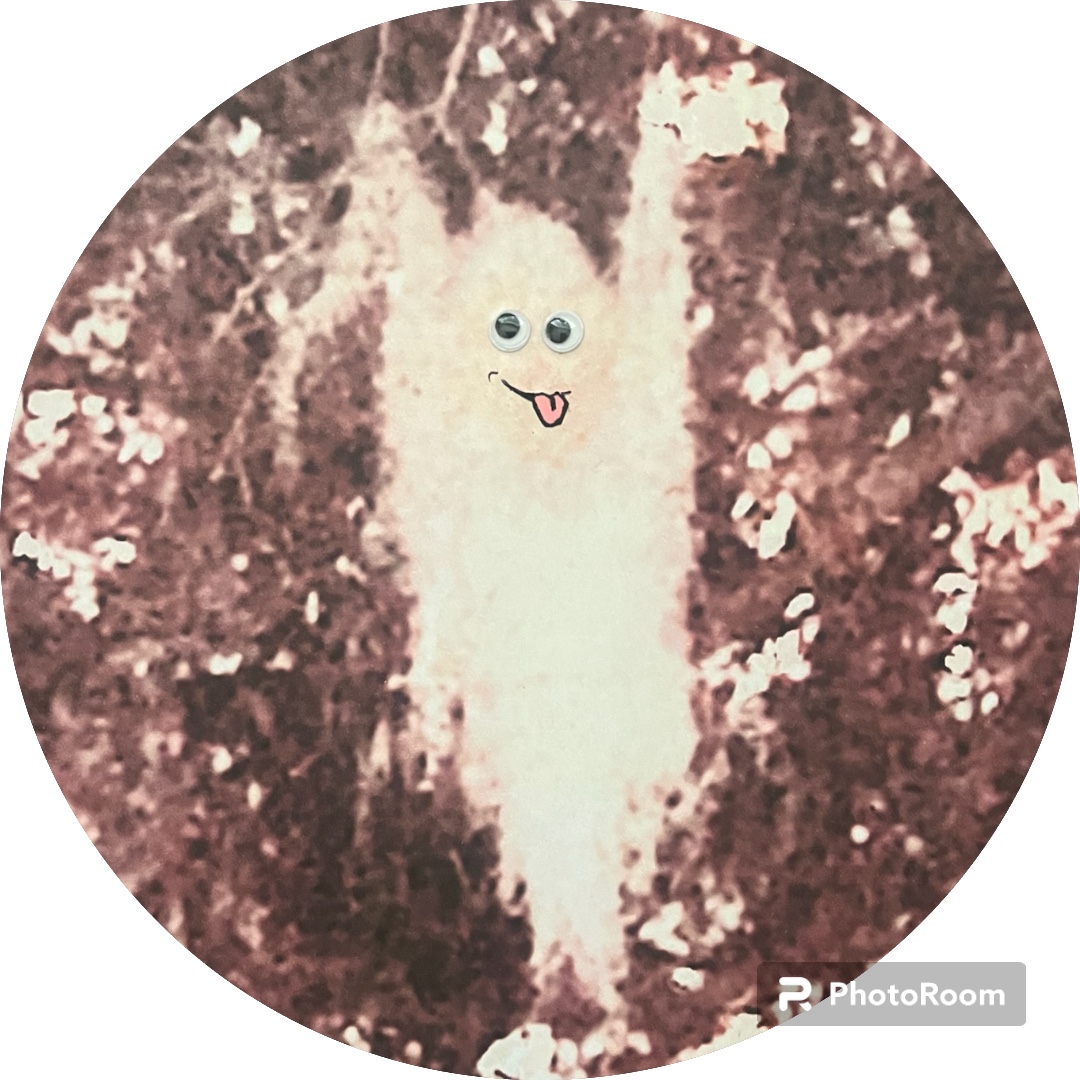

Why This City Is Haunted by Details We Keep Skipping
Charleston doesn’t suffer from a lack of ghost stories.
What it suffers from is footnote neglect.
Over and over, the same locations are labeled haunted without anyone slowing down long enough to ask how — or what kind — of haunting we’re actually dealing with. Was it a repeating moment? A memory burned into place? Or something that responds, reacts, and seems to know you’re there?
Those distinctions matter.
Because in Charleston, hauntings don’t float freely. They attach themselves to addresses, trauma, repetition, and relationships. And when we ignore the details, we flatten the stories into caricatures instead of understanding why certain places still feel… occupied.
This is a city where legends deserve better footnotes.
Two Types of Hauntings (And Why Charleston Has Both)
Before we talk about locations, we need vocabulary.
Residual Hauntings
Residual hauntings are recordings, not relationships.
They replay:
• Footsteps
• Doors opening
• Figures crossing hallways
• Sounds with no interaction
They don’t respond.
They don’t adapt.
They don’t acknowledge witnesses.
Residual hauntings are strongly associated with:
• Repeated trauma
• Long-term routine
• Structural continuity
• Physical anchors like stone, brick, iron, and enclosed corridors
Charleston excels at residual hauntings because it excels at rebuilding directly on top of unresolved history.
Intelligent Hauntings
Intelligent hauntings, on the other hand, interact.
They:
• Appear selectively
• Respond to people or questions
• Manipulate objects
• Alter behavior based on attention
These hauntings cluster around:
• Personal relationships
• Unfinished social roles
• Identity tied to place
• Locations where someone meant to be remembered
Charleston has these too — but fewer than the stories would suggest.
The Address That Refuses to Stay Quiet: Tommy Condon’s & the Molony Building
(160 Church Street)
If Charleston had a case study in residual trauma becoming folklore, this is it.
The 1898 Church Street fire killed nine members of the Knickmeyer family — six of them children — in a tenement that once stood where Tommy Condon’s Irish Pub now operates. The structure burned, but the address didn’t reset.
What followed:
• Rebuilding directly over the footprint
• The Abbey — the oldest surviving section — sitting closest to the trauma
• Decades of reports centered on movement, children, and mirrors
Cold spots.
Figures crossing rooms.
Being brushed by something small.
These reports remain consistent across generations, which is a hallmark of residual haunting — especially when activity clusters in the oldest surviving structure, not the newest renovations.
The Molony Building next door complicates this further. It doesn’t have documented deaths — but it shares walls, utilities, circulation paths, and fire exposure. Its folklore centers on hallways, mirrors, and transitional spaces, reinforcing the idea that hauntings here are place-based, not business-based.
That’s not a ghost story problem.
That’s an architectural one.
Battery Carriage House Inn, Room 8
(When a Ghost Knows You’re There)
Battery Carriage House Inn presents something Charleston doesn’t always offer: a strong candidate for an intelligent haunting.
Room 8’s legend centers on a male apparition, often described as genial, social, and — yes — occasionally accompanied by a deep, belly-shaking laugh. Unlike residual phenomena, these encounters are:
• Inconsistent in timing
• Selective in witnesses
• Interactive in tone
Guests report:
• A sense of presence that reacts
• Audible responses
• A personality, not a pattern
This isn’t a loop.
This is a presence performing identity — which is why the story persists even when details vary.
The Tail of Washington’s Horse
(How a Myth Haunted the Truth)
Charleston’s most famous non-ghost legend might be its most revealing.
The story claims the city insulted John Trumbull by rejecting his portrait of George Washington, prompting the artist to turn the horse’s rear toward Charleston in retaliation.
The archives say otherwise.
What actually happened was far more intimate:
• Trumbull and William Loughton Smith were close personal friends
• Smith understood Charleston’s civic temperament
• He suggested a calmer, presidential portrayal — not a battlefield general
• Trumbull repainted the portrait willingly
• Washington agreed to sit again
No insult.
No rejection.
Just a city curating how it wanted to remember power.
This legend behaves like a residual myth — repeated so often it feels true — even though it never responds to scrutiny.
Lavinia and John Fisher
(From Criminals to Charleston’s Favorite Monster)
The Fishers didn’t need embellishment.
But they got it anyway.
Their transformation from documented criminals into America’s “first serial killers” is a textbook example of intelligent mythmaking — where the story adapts to audience expectation. Lavinia’s ghost, in particular, behaves less like a haunting and more like a warning tale.
She doesn’t repeat.
She threatens.
She performs.
That places her firmly in the realm of narrative intelligence, not residual haunting — a legend that knows it’s being watched.
The Unitarian Church & Forbidden Love
Charleston’s forbidden love stories — especially those tied to religious institutions — lean heavily toward residual haunting.
Reports here center on:
• Silent figures
• Emotional weight without interaction
• Repeated moments rather than responses
These stories don’t evolve because they’re not meant to.
They’re memory loops.
The Angel Oak
(When Nature Becomes the Anchor)
The Angel Oak doesn’t present as a ghost.
It presents as a container.
Stories surrounding the tree speak of:
• Presence without apparition
• Emotional response without narrative
• Sensation rather than sight
This is residual haunting expressed through landscape, not structure — a reminder that not all hauntings require walls.
Why These Legends Deserve Better Footnotes
Charleston’s hauntings don’t persist because people exaggerate.
They persist because:
• Trauma repeats
• Structures remain
• Myths calcify
• Relationships matter
When we fail to distinguish residual memory from intelligent presence, we lose the ability to understand why certain places still feel occupied — and others don’t.
This city isn’t haunted because it’s spooky.
It’s haunted because it remembers.
And memory, like energy, doesn’t disappear — it just changes form.
History, Haunts, & Hahas!
Because the truth is always better than the shortcut — and the footnotes are where the ghosts actually live.


Comments