


Charleston’s Haunted Restaurants, Bars, Pubs, & Speakeasies
- History, Haunts, & Hahas!
- Dec 20, 2025
- 3 min read
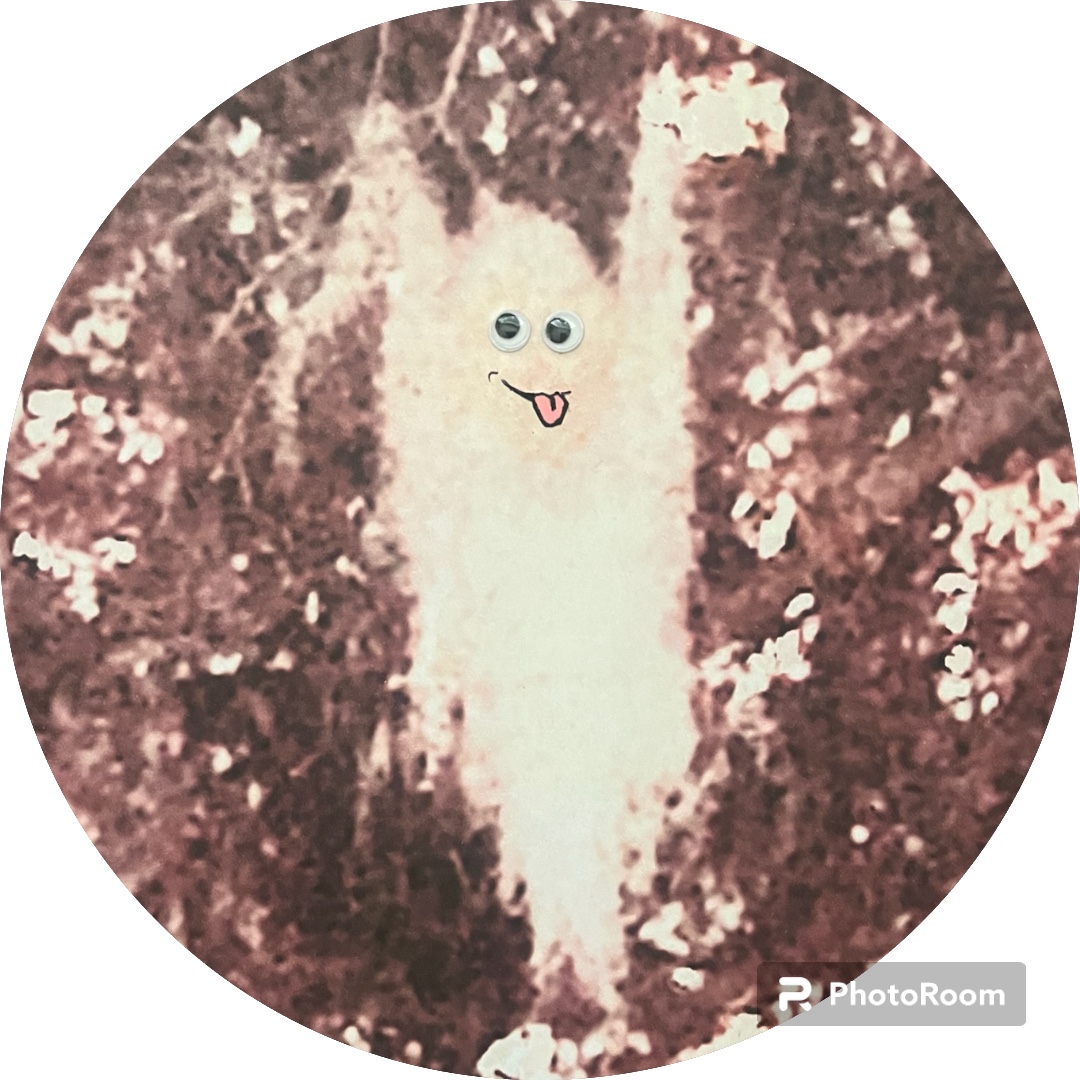
In Charleston, the past doesn’t clock out when the kitchen closes. Some of the city’s most active ghost stories live where people gather to eat, drink, and celebrate. Restaurants, taverns, pubs, and speakeasies often occupy buildings that have seen centuries of life, labor, death, and transition. In a city as old as Charleston, that makes them prime territory for lingering spirits.
These are places where stories are shared over drinks, laughter echoes late into the night, and history feels especially close.
WHY FOOD AND DRINK SPACES ARE OFTEN HAUNTED
Historically, taverns and inns were social centers. They hosted travelers, sailors, merchants, soldiers, and locals. They were places of news, conflict, celebration, illness, and sometimes death. In Charleston, many modern restaurants and bars occupy former homes, boarding houses, warehouses, and inns that predate electricity, plumbing, and modern medicine.
Folklore suggests that places heavy with emotion and repetition are more likely to retain spiritual energy. Kitchens, dining rooms, and bars fit that description perfectly.
THE POOGAN’S PORCH LEGEND
Poogan’s Porch is frequently cited in Charleston ghost lore. The building dates back to the late 19th century and was once a private residence. Staff and guests have reported unexplained footsteps, doors opening on their own, and the sensation of being watched.
The most famous spirit associated with the restaurant is believed to be a former resident who never quite left. Stories suggest the presence is gentle but persistent, as though the house still recognizes itself as a home.
MAGNOLIAS AND THE OLD CITY MARKET ENERGY
Located near the historic City Market, Magnolias sits in an area layered with centuries of commercial and human activity. The Market was once a hub for trade, social exchange, and deeply painful chapters of Charleston’s past.
Reports from nearby buildings often include unexplained sounds, shifting objects, and sudden temperature changes. While not every experience is dramatic, many people describe a sense of heaviness or heightened awareness in the area, especially after dark.
THE HAUNTED HISTORY OF BLIND TIGER PUB
Blind Tiger Pub occupies land tied to Charleston’s Prohibition-era past. The name itself references illegal speakeasies, known as “blind tigers,” where alcohol was secretly sold.
Employees and patrons have reported lights flickering, objects moving, and voices when no one is present. Given the building’s layered use over time, the hauntings are often attributed to multiple eras overlapping in one space.
THE OLD PINCKNEY STREET PUBS
Several pubs and bars near Pinckney Street occupy buildings connected to former lodging houses and commercial spaces. Guests have reported apparitions in mirrors, the feeling of being brushed by unseen hands, and unusual activity late at night after closing.
Alcohol and storytelling naturally amplify atmosphere, but repeated accounts over decades suggest something more than imagination may be at work.
SPEAKEASIES AND HIDDEN ROOMS
Charleston’s speakeasy-style bars often occupy basements, back rooms, or concealed spaces. Historically, these areas were used for storage, clandestine meetings, or illicit activity.
Basements are especially common in ghost lore. They were cooler, darker, and sometimes used during epidemics or storms. Reports from these spaces often involve shadow figures, sudden unease, and the sense of not being alone.
THEATER, MUSIC, AND EMOTIONAL RESIDUE
Many haunted bars and restaurants in Charleston also feature live music or performance. Folklore frequently connects music and performance spaces to lingering spirits, possibly because emotion, repetition, and attention create strong memory imprints.
In Charleston, where music traditions run deep, these spaces often feel especially alive.
WHY THE SPIRITS STAY
Charleston’s haunted dining and drinking establishments share common traits: old buildings, continuous use, emotional intensity, and strong storytelling traditions. When a place remains active rather than abandoned, its stories stay fed.
Ghosts in these spaces are often described as playful rather than malicious. Moving glasses, rearranging chairs, appearing briefly in reflections. As if the spirits still enjoy the company.
CONCLUSION
In Charleston, ghosts don’t hide in ruins alone. They linger where people gather, laugh, drink, and share stories. Haunted restaurants, bars, pubs, and speakeasies remind us that history is not silent here. It listens. It remembers. And sometimes, it joins you for a drink.
SOURCES AND ACCREDITED REFERENCES
South Carolina Historical Society
College of Charleston – Lowcountry history and archival research
Historic Charleston Foundation
Library of Congress – American Folklife Center
Academic studies on folklore, memory, and haunted commercial spaces


Comments