


Charleston’s Most Famous Ghosts & the Stories that Won’t Rest
- History, Haunts, & Hahas!
- Dec 20, 2025
- 3 min read
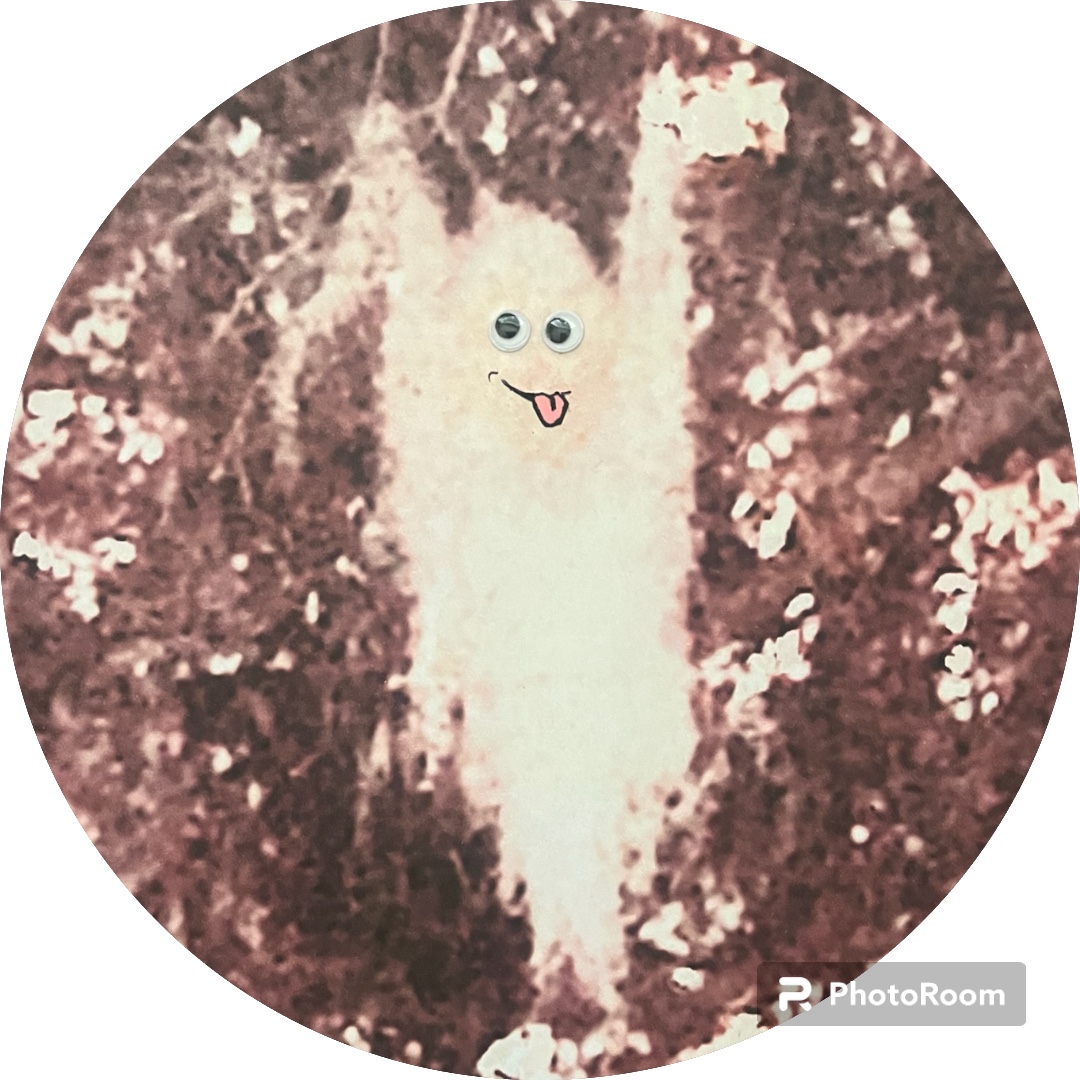
Charleston is known for its beauty, history, and charm, but it is equally known for its ghosts. Over centuries, certain spirits have emerged from whispered legends into widely recognized figures, becoming part of the city’s cultural identity. These ghosts are not just spooky characters. They are reflections of real people, real places, and real histories that left a lasting imprint on Charleston.
THE LAVINIA FISHER LEGEND
Lavinia Fisher is often called America’s first female serial killer, though historians debate the accuracy of that claim. According to legend, Lavinia and her husband operated an inn outside Charleston where travelers mysteriously disappeared. She was eventually arrested and executed in the early 19th century.
Her ghost is said to linger near the Old City Jail, where she was imprisoned before her execution. Stories describe a female apparition, mocking laughter, and an unsettling presence. Whether legend or exaggeration, Lavinia Fisher represents Charleston’s fascination with crime, justice, and the thin line between fact and folklore.
THE WOMAN IN WHITE OF POENETTE STREET
One of Charleston’s most enduring apparitions is the Woman in White, often associated with Poenette Street and nearby historic homes. She is said to appear in flowing white clothing, sometimes searching, sometimes silently watching.
This type of apparition is common in folklore, often tied to loss, grief, or betrayal. In Charleston, the Woman in White reflects the city’s long history of tragedy tied to war, disease, and broken families. Her presence is less about fear and more about sorrow.
THE HEADLESS TORSO OF THE OLD CITY JAIL
The Old City Jail is one of Charleston’s most infamous haunted sites, and one of its most disturbing legends involves a headless torso seen pacing the halls. Witnesses over generations have described a figure missing its head, believed to be connected to executions carried out on the property.
The jail housed pirates, revolutionaries, enslaved people, and criminals during periods when punishment was harsh and often public. The headless apparition reflects the brutality of early justice systems and the human cost of incarceration.
THE GHOSTS OF THE DOCK STREET THEATRE
The Dock Street Theatre is associated with two well-known spirits. One is believed to be Junius Booth, a famous 19th-century actor and father of John Wilkes Booth. The other is a woman dressed in Victorian-era clothing, often seen sitting in the balcony.
Theater ghosts are common in folklore, tied to performance, emotion, and repetition. In Charleston, the Dock Street Theatre’s spirits reinforce the idea that places of passion and creativity can retain emotional energy long after the curtain falls.
THE POLTERGEIST OF THE BATTERY CARRIAGE HOUSE INN
The Battery Carriage House Inn is frequently cited for reports of poltergeist activity. Guests and staff have reported objects moving, unexplained noises, and the sensation of being watched.
These stories are often linked to the building’s long history as a private home and lodging space. Poltergeist legends in Charleston tend to center on domestic spaces, reinforcing the idea that everyday life leaves lasting impressions.
THE GRAY MAN OF PAWLEYS ISLAND (LOWCOUNTRY LEGEND)
While not confined to Charleston itself, the Gray Man is one of the most famous Lowcountry ghosts and is often included in Charleston folklore discussions. He is said to appear before major storms, warning residents to evacuate. Those who heed the warning reportedly return to find their homes spared.
The Gray Man represents protective spirits rather than vengeful ones and reflects coastal communities’ deep relationship with nature, loss, and survival.
WHY THESE GHOSTS ENDURE
Charleston’s famous ghosts endure because they are tied to place. Streets, jails, theaters, homes, and inns remain standing, anchoring stories to physical locations. Preservation allows legends to accumulate rather than fade.
These ghosts also persist because they serve emotional purposes. They embody grief, injustice, warning, memory, and fascination with the past. In Charleston, ghosts are not just entertainment. They are storytellers.
CONCLUSION
Charleston’s most famous ghosts are less about jump scares and more about history refusing to stay silent. Each legend reflects a chapter of the city’s past, shaped by suffering, creativity, fear, and resilience. Whether believed literally or symbolically, these spirits continue to define Charleston as a city where memory lingers and stories walk beside you.
SOURCES AND ACCREDITED REFERENCES
South Carolina Historical Society
College of Charleston – Lowcountry history and archival research
The Avery Research Center for African American History and Culture
Library of Congress – American Folklife Center
Historic Charleston Foundation
Academic studies on folklore, memory, and haunted landscapes in the American South


Comments