


Exploring Charleston Folklore and Historical Superstitions
- History, Haunts, & Hahas!
- Jan 18
- 5 min read
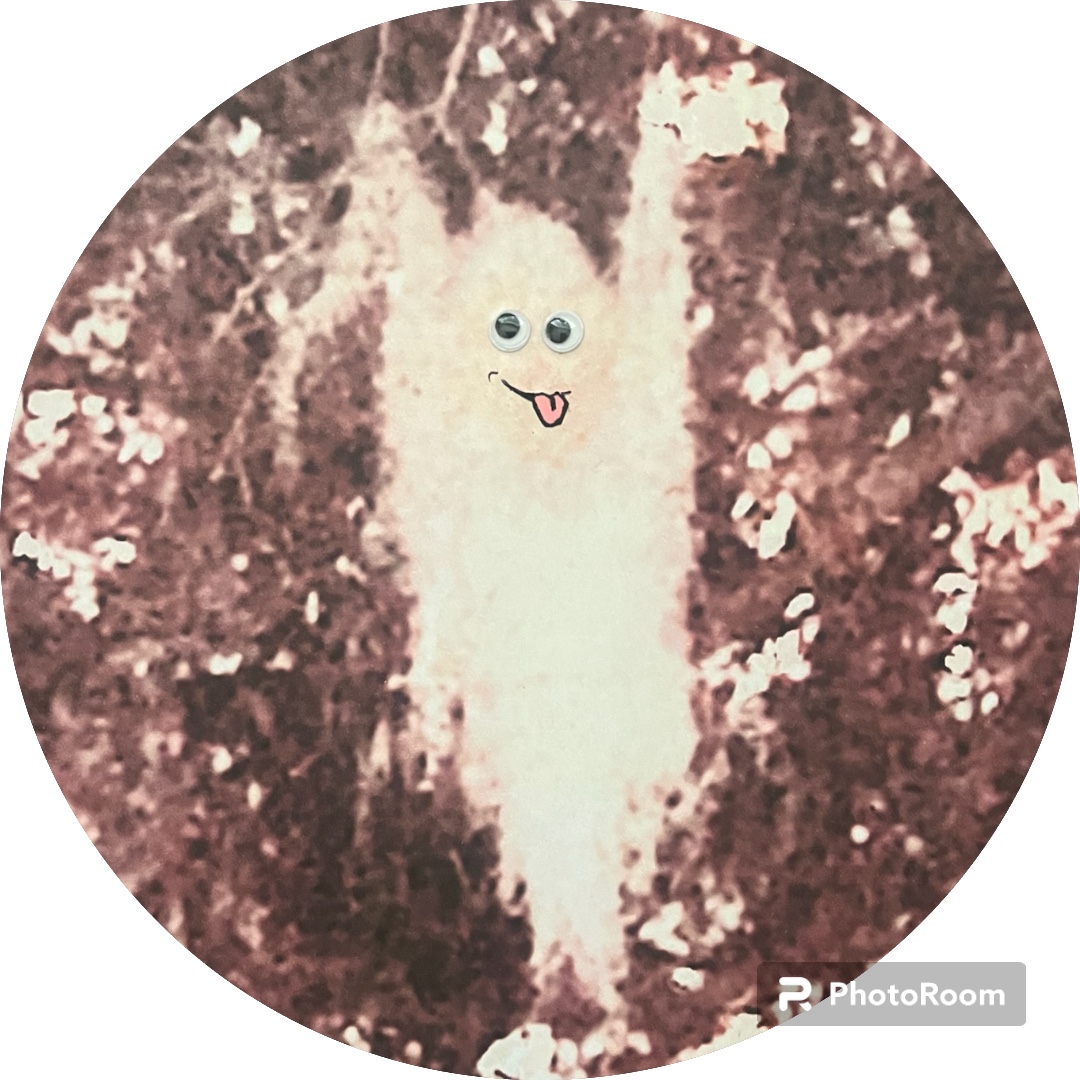

Charleston, South Carolina, is a city rich in history and folklore, where the past is interwoven with the supernatural. From tales of ghostly encounters to legendary haints, Charleston's folklore reflects a complex cultural narrative shaped by its historical experiences, particularly those involving slavery, labor, and community resilience. This blog post delves into some of Charleston's most compelling folklore and historical superstitions, drawing on various studies and accounts that illuminate the city's haunted history.
The Historical Context of Charleston Folklore
Charleston's history began in 1670, and the city quickly evolved into a vital cultural and economic center in the American South. The legacies of slavery, labor conflicts, and the Civil Rights Movement are crucial to understanding Charleston's folklore. For example, the Charleston Cigar Factory Strike of 1945-1946 was significant in labor history, marking a collective stand against economic injustice while being accompanied by the nascent Civil Rights Movement that gave rise to the anthem "We Shall Overcome" [1]. The melding of these historical narratives has shaped folklore that often revolves around themes of oppression, resistance, and the supernatural.
The aftermath of slavery has also left an indelible mark on Charleston's cultural landscape. In many instances, the folklore reflects the experiences and resilience of enslaved people and their descendants. Institutions like the Avery Research Center for African American History and Culture focus on preserving these narratives, emphasizing the importance of cultural heritage in shaping folk tales and local superstitions [2].
Ghostly Encounters: Charleston's Haunted History
Charleston is often celebrated as one of the most haunted cities in America, boasting tales of spirits tied to historical events, plantations, and the struggles of African Americans. The city’s haunted reputation is built upon stories passed down through generations, some of which are documented in ghost tours and historical accounts.
The Old City Jail: The Old City Jail, built in the 18th century, is home to many ghost stories, primarily because it housed some of Charleston's most notorious criminals. Reports of paranormal activity (including ghostly apparitions and unexplainable noises) contribute to its haunted status. Eyewitnesses often share chilling experiences, claiming to see figures in period clothing wandering the halls or feeling sudden drops in temperature, which many believe indicates the presence of spirits. Tour guides at the jail recount tales of the notorious pirate, Stede Bonnet, and others who met grim fates within its walls. This alignment of historical facts with supernatural elements enhances the allure and credibility of Charleston's ghost stories [3].
The Boo Hag: No discussion of Charleston folklore would be complete without mentioning the Boo Hag, a mythical creature rooted in Gullah culture. The Boo Hag is said to be a female spirit who steals the breath of the living while they sleep, leaving them tired and lethargic. Traditionally, it is believed that the only way to counteract the Boo Hag's influence is to cover one’s windows tightly, preventing any entry. The tale of the Boo Hag illustrates the intersection of folklore, community beliefs, and the historical experience of enslaved Africans and their descendants in Charleston [4].
Poogan’s Porch and Other Haunted Locations: Another well-known haunted site is Poogan's Porch, a restaurant located in a historic Victorian home. Legend has it that the ghost of a former owner, Zoe St. Amand, lingers in the establishment. Diners have reported mysterious occurrences, such as feeling a gentle touch or experiencing inexplicable flickering lights. The establishment's history, coupled with the ghostly encounters reported by patrons, encapsulates Charleston's haunted narrative, blending culinary delight with spooky intrigue [5].
Superstitions Shaped by History
Alongside ghost stories, Charleston is steeped in superstitions that reflect the beliefs and practices of its diverse communities. Some superstitions come from African traditions and were brought over by enslaved peoples, while others developed from European settler customs.
The Significance of Haints: In Gullah culture, the concept of a "haint" refers to a restless spirit, often associated with the dead who have unresolved issues. To ward off these spirits, it is common to paint doors and window frames in a shade of blue known as "haint blue." This practice is based on the belief that the color blue can confuse haints and prevent them from crossing over into the physical realm [6]. The tradition is not just a matter of aesthetics but deeply rooted in cultural identity and protection, providing insights into how the African diaspora has influenced local customs.
The Power of Rituals: Rituals and religious practices play a crucial role in Charleston's folklore. Churches, particularly African American ones, often serve as cultural hubs where stories and legends are shared. The spiritual practices found in these communities frequently intersect with local lore, as evidenced in the study of religious experiences in an African American church in Charleston. These practices reinforce community ties while allowing for the sharing of tales about supernatural occurrences and protective rituals [7].
The Legacy of Historical Trauma
Charleston’s ghost stories often reflect a deeper historical trauma, particularly related to slavery and racial violence. Histories of oppression manifest in the narratives of the city’s haunted sites. For example, the Center for the Study of Slavery in Charleston seeks to educate the public on the legacies of slavery and how they continue to affect the community today [8]. The stories of those who suffered in places like the Old Slave Mart enhance the gravity of the hauntings, turning supernatural experiences into reflections upon racial injustices and historical memory.
Community Engagement and Rediscovery: The rise of community-engaged archaeology initiatives has allowed for the rediscovery of African American burial grounds in Charleston, which deepens the understanding of the lost histories tied to these locations. Recent excavations, like the one at the Anson Street African Burial Ground, have uncovered the sites of those who were denied recognition during their lifetimes, allowing both the living and the dead to reclaim their stories [9].
Conclusion: The Living Folklore of Charleston
Charleston’s folklore and superstitions offer a glimpse into the city's rich tapestry of history, resilience, and the supernatural. The blend of historical narratives, particularly those stemming from slavery and labor movements, with haunting legends and cultural beliefs reflects a community striving to maintain its identity. Folklore serves not only to entertain but to educate, preserving the memory of those who came before and ensuring that their stories and struggles are acknowledged. As Charleston continues to grow and evolve, its rich folklore will undoubtedly remain a vital part of its identity, inviting both residents and visitors to explore the intersection of history and the supernatural.
References
Charleston's Cigar Factory Strike, 1945-1946. Retrieved from LDHI
Avery Research Center for African American History and Culture. Retrieved from [Avery Research Center] (https://avery.charleston.edu/home/)
Charleston's Haunted History. Retrieved from [Airbnb] (https://www.airbnb.com/experiences/1230222)
Boo Hags | South of Spooky. Retrieved from South of Spooky
Poogan's Porch. Retrieved from [Bulldog Tours] (https://www.bulldogtours.com/bulldog-experience/charlestons-5-most-haunted-terrifying-creepy-eerie-locations)
Charleston Currents – FOCUS: Tales about Lowcountry haints aren’t just for Halloween. Retrieved from Charleston Currents
Every Time I Feel the Spirit: Religious Experience and Ritual in an African American Church. Retrieved from JSTOR
Center for the Study of Slavery in Charleston. Retrieved from CSCS
The Dead Have Been Awakened in the Service of the Living: Activist Community-Engaged Archaeology in Charleston, South Carolina. Retrieved from Cambridge


Comments