


Exploring Charleston's Folklore and Historical Superstitions
- History, Haunts, & Hahas!
- Jan 23
- 5 min read
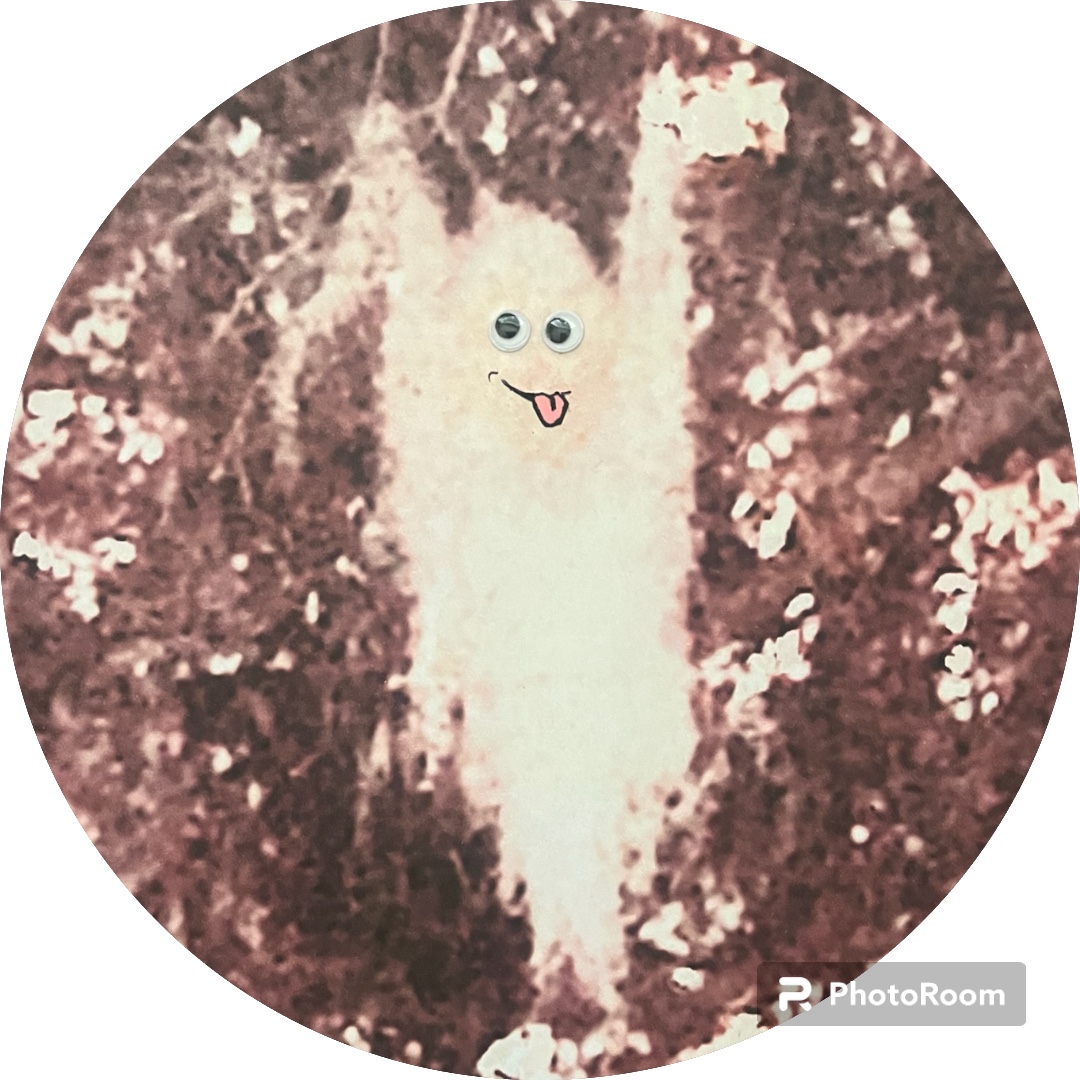
Charleston, South Carolina, is a city steeped in rich history, cultural diversity, and an intriguing undercurrent of folklore and superstitions. From its early colonial days to the present, the city has been a melting pot that has nurtured a variety of beliefs, practices, and narratives that reflect both its historic struggles and vibrant heritage. This blog post delves into specific individual stories and practices pertaining to Charleston’s folklore and historical superstitions, blending historical accounts with cultural traditions.
The Enigmatic Boo Hag
One of the most fascinating figures in Charleston's folklore is the Boo Hag, a legendary creature deeply rooted in Gullah culture. The Boo Hag is said to be a malevolent spirit that often appears as a beautiful woman before revealing a more sinister side. According to tradition, a Boo Hag steals people's breath while they sleep, leaving them exhausted and unable to wake. This creature is not only a story to frighten children; it serves as a form of social control, teaching important lessons about morality and behavior.
Gullah communities share many stories about Boo Hags, often using them to explain life's mysterious events or personal experiences where someone might feel drained or unusually fatigued after sleeping. Local cultural practices have evolved around this figure, leading to unique storytelling sessions that keep the legend alive and inform the younger generation about their cultural heritage [26].
Cultural Significance: Per local historians, engaging with Boo Hag lore allows Gullah people to connect with their ancestral roots and understand the complex relationship between spirituality and everyday life. The tales of these haints (ghosts) provide a moral framework and a means to confront fears related to the unknown [25].
Charleston’s Haunted Spaces: A Legacy of Tragedy
Charleston’s history is not without its tragedies, many of which have birthed ghost stories that haunt the streets and buildings of the city. The Old City Jail, where countless notorious criminals met their doom, is one of the primary locations believed to be active with spirits. Ghost tours often recount the tale of Lavinia Fisher, America’s first female serial killer, whose spirit allegedly roams the jail seeking vengeance for her untimely death [23][24]. Visitors are often struck by the chilling tales of executions, murders, and the very real hauntings of those who suffered there.
Historical Trauma and Haunting: Scholarly works on the city’s hauntings suggest that many ghost stories are manifestations of Charleston's larger historical traumas, particularly surrounding slavery and civil rights struggles [12]. The Avery Research Center for African American History and Culture has documented how historical events have a lingering impact on the present, influencing how the African American community relates to both their past and contemporary narratives of spirit possession and ghostly appearances [7][8]. These hauntings serve as reminders of the injustices suffered and the stories of resilience within the community.
The Legend of the Haint
Alongside the Boo Hag, Charleston folklore also includes numerous accounts of haints, which are spirits of the deceased who have not moved on. In Gullah culture, it is common to hear tales of haints searching for resolution within the lives of the living. Southern traditions often detail the use of blue paint, known as "haint blue," on porch ceilings to keep these spirits at bay. The belief was that this color mirroring the sky would confuse spirits, preventing them from entering homes [16]. Many residents still paint their porches this distinctive hue, believing it wards off unwanted visitors from the spirit world.
Connecting the Past to the Present: These tales resonate in modern Charleston, where many homeowners continue to observe the practice of using haint blue as a method of honoring tradition while protecting their homes. As the city evolves, the folklore surrounding haints and the spiritual beliefs tied to them remain an integral aspect of Charleston's cultural landscape that is proudly preserved and practiced [19][21].
Personal Stories: Community Engagement with the Supernatural
Community-driven initiatives, such as the Boo-Hag and Brews Tour, explore local bars while sharing ghostly tales linked to Charleston's history. Attendees often share personal experiences with the supernatural, fostering a communal narrative shaped by individual encounters with the unknown. One local described encountering a chill in her home that she believed was the spirit of her ancestor watching over her [29]. These collective stories facilitate a sense of belonging and allow residents to reconcile their history with current beliefs.
Academic Perspectives: Institutions like the Center for the Study of Slavery in Charleston have engaged with the complexities of how West African traditions have informed the local folklore, creating a unique blend of practices [11]. This interplay between historical trauma and spiritual beliefs cultivates a rich understanding of Charleston as a site of both suffering and survival.
Charleston’s Cigar Factory Strike and Labor Folklore
A significant historical moment that highlights Charleston's labor history—and is intertwined with local folklore—is the Charleston Cigar Factory Strike of 1945-1946. This strike not only marked a pivotal moment in labor rights but also contributed to the emergence of the civil rights anthem "We Shall Overcome," which resonated beyond Charleston, symbolizing the wider struggle for justice across America [6].
Community Resilience: The stories of workers during this strike reflect the intertwining of personal experiences with broader societal movements, and the legacy of community resilience continues to inspire folklore that uplifts collective struggles[6]. The Charleston Cigar Factory has since been rehabilitated and transformed but remains a beacon of hope and a site of remembrance for the challenges faced by laborers in the past, illustrating the depth of human struggle within Charleston's heritage [5].
Eerie Historical Practices: The Night Watch and Reviving the Dead
In exploring Charleston’s unique historical practices, the tale of early medical ordinances sheds light on more eerie aspects of local folklore. During the late 18th century, there was a brief period when local ordinances allowed for procedures purportedly aimed at reviving apparently dead bodies, reflecting the era's superstitions regarding death and the afterlife [27]. This bizarre practice not only signifies a time of medical experimentation but also connects with the cultural connotations surrounding death that permeate Charleston’s history.
The Role of the Night Watch: As part of maintaining order during turbulent times, Charleston's night watchmen held a unique position in folklore as protectors against dark forces ranging from thieves to specters. These figures were often attributed with supernatural connotations, as tales portrayed them encountering unexplainable occurrences that intertwined biblical themes of good versus evil and human mortal frailty [20]. The vigilance of the watch mirrored community anxieties regarding safety and the threat of the supernatural.
Conclusion: The Living Tapestry of Charleston Folklore
Charleston, with its layered narratives of folklore, superstition, and profound historical events, offers a captivating glimpse into how the past shapes the cultural identity of a city. The tales of Boo Hags, haints, labor struggles, and chilling ghost stories interweave to create a living tapestry that captures the struggle, resilience, and spirit of its community. As Charleston continues to evolve, these stories help preserve a sense of place and heritage, serving as a bridge between past and present while fostering a greater understanding of how folklore enriches the city's narrative.
References
1. The Charleston Cigar Factory, SSOE Group.
2. Charleston Dry Dock & Machine Company.
3. Avery Research Center for African American History and Culture.
4. Berkeley, John.
5. Historical Overview of Charleston's Cigar Factory Strike.
6. The Dead Talk Back, Charleston City Paper.
7. Boo Hags, South of Spooky.
8. Charleston’s Most Haunted Places in South Carolina, Bulldog Tours.
9. Charleston Currents – Focus: Tales about Lowcountry Haints Aren’t Just for Halloween.
10. Historical Hauntings in Charleston.
11. Reviving Apparently Dead Bodies in 1790s Charleston.
12. Race, residence and ideology: Charleston, South Carolina in the mid-nineteenth century.


Comments