


Legends of the Lowcountry: Ghosts, Haints, and Historic Egregores of South Carolina
- History, Haunts, & Hahas!
- Jan 29
- 5 min read
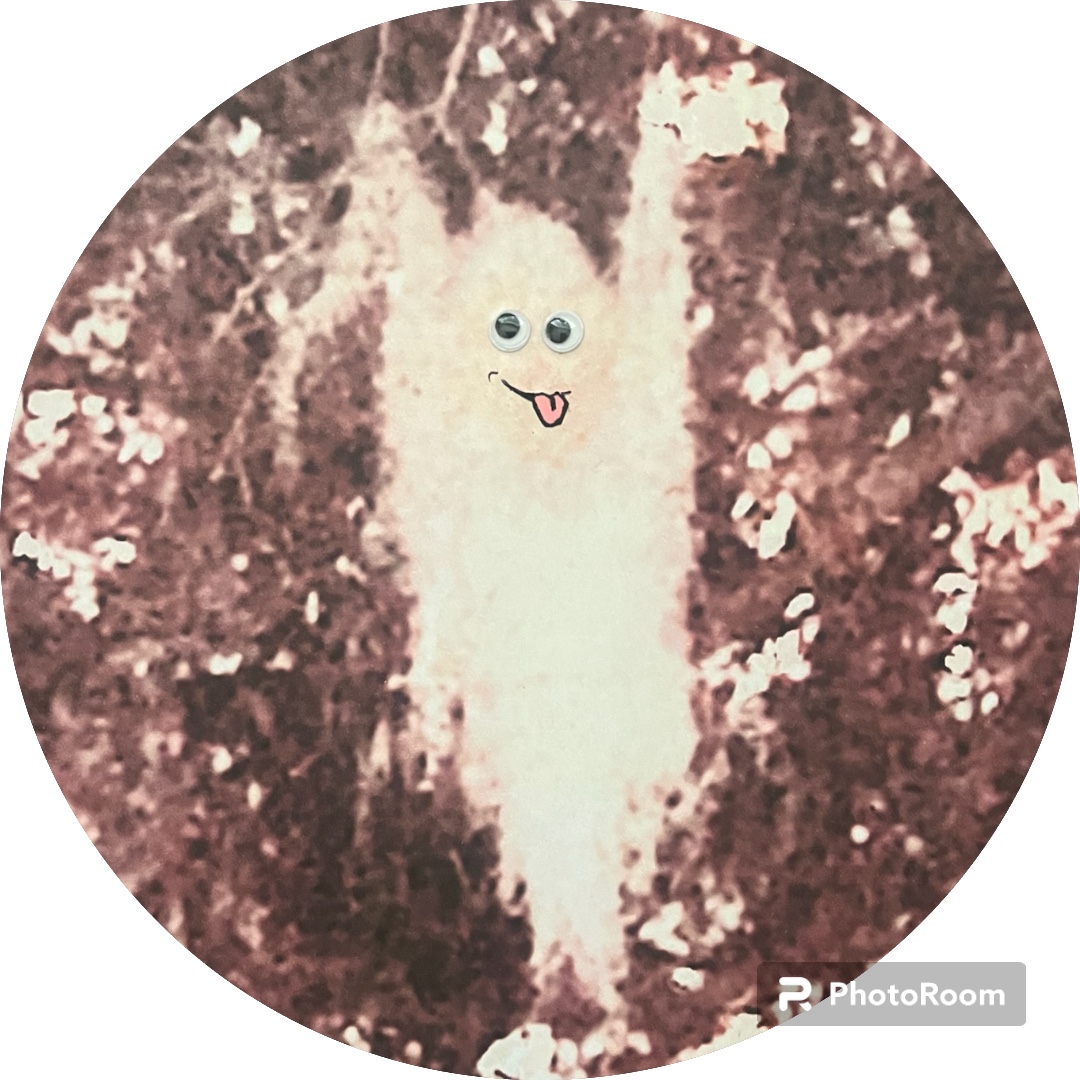

From the moss‑draped oaks of Charleston to the marshy shores of Pawleys Island, the Lowcountry and broader South Carolina are rich with stories of spirits, haints, cryptids, and otherworldly figures. These legends endure not just because they are eerie, but because they are shared cultural experiences — collective narratives that act like egregores, emerging from the stories communities tell over time.
In folklore studies, an egregore isn’t an actual supernatural entity; it’s a shared, persistent idea or spirit‑like concept that lives in culture through repeated attention, belief, and transmission. Many of the Lowcountry’s legends fit this pattern — not empirically proven phenomena but enduring presences in the collective imagination.
The Gray Man of Pawleys Island — Coastal Watcher
One of South Carolina’s most enduring folkloric figures is The Gray Man, a ghostly apparition said to appear on Pawleys Island beaches before major storms or hurricanes. (Wikipedia)
According to the legend — first widely published in Julian Stevenson Bolick’s Waccamaw Plantations — the Gray Man was a young man who died in the marshes while traveling to see his fiancée in the early 1800s. His spirit supposedly walks the shore in gray clothing, warning residents of approaching danger. (Wikipedia)
What makes this legend especially compelling is how it’s perceived positively — as a benign, protective presence. Sightings of the Gray Man before hurricanes (including reports around Hurricane Hugo in 1989 and Hurricane Florence in 2018) have become part of local lore, and the tale has appeared on national television and in travel writing. (Wikipedia)
As a cultural egregore, the Gray Man embodies Lowcountry resilience and storm folklore — a story that helps communities interpret weather, risk, and shared history.
Haints and Haint Blue — Gullah Folk Spirits
“Haints” are perhaps the most distinctive regional folkloric entities in the Lowcountry, rooted in Gullah Geechee culture— the rich African‑American cultural tradition shaped by the descendants of West African enslaved peoples living along the coast. (South Carolina Lowcountry)
In Gullah lore, haints are restless spirits or malevolent presences that can cause mischief or harm. The term haint itself derives from the Gullah word for ghost or spirit. (South Carolina Lowcountry)
Associated with haint stories are several practical and symbolic traditions:
Haint blue paint: Porches, door frames, and ceilings are painted a soft blue called “haint blue,” traditionally believed to keep spirits at bay by mimicking water — something haints won’t cross. (South Carolina Lowcountry)
Blue bottle trees: Cobalt‑blue glass bottles are hung in trees to “catch” haints so they can be destroyed by the morning sun. (South Carolina Lowcountry)
These practices aren’t just superstitious — they are living cultural traditions that reflect how communities use symbols and shared meaning to make sense of the unseen world. As cultural egregores, haints are both spiritual figures and embodiments of collective belief.
Boo Hag — The Nocturnal Spirit
Another figure from Gullah and Lowcountry folklore is the boo hag — a witch‑like creature said to slip into homes at night and “ride” its victims, draining breath and leaving them exhausted. (Wikipedia)
Unlike the conventional vampire of European tales, the boo hag doesn’t drink blood but steals one’s life energy while the person sleeps. (Wikipedia) The concept has parallels in other cultures’ sleep‑related supernatural entities, but the boo hag remains especially tied to Lowcountry oral tradition and storytelling.
As a folkloric egregore, the boo hag illustrates how communities interpreted unexplained sleep phenomena and fear — using a vivid narrative that persists in local consciousness.
Agnes of Glasgow — Love and Loss Across Centuries
Not all Lowcountry supernatural figures are spectral warnings or frightening haints; some are tragic spirits tied to human stories of love and loss.
Agnes of Glasgow is one such legend. According to local lore, Agnes was a Scottish woman who followed her British officer lover during the Revolutionary War, only to fall ill and die before finding him. Her spirit is said to haunt the area around the Bethesda Presbyterian Church in Camden, South Carolina, still searching for her lost love. (Wikipedia)
While historians point out discrepancies in the timeline, the legend survives — a cultural ghost story rooted in the region’s Revolutionary era history. As an egregore, Agnes’s tale persists because it resonates emotionally and historically with locals and visitors alike.
Alice Flagg and Other Local Ghosts
Across the Lowcountry, dozens of ghostly tales fill cemeteries, historic homes, and plantations. One example is Alice Flagg, an island belle said to wander her graveyard searching for a lost engagement ring — a romantic and melancholic image that has endured in local storytelling. (Living On Hilton Head)
Charleston itself is rich with ghost legends — from the spirit of Zoe at Poogan’s Porch to the famed hauntings of the Charleston Orphan House and Unitarian Church Graveyard (including the Lady in White). (Flipper Finders)
Whether the tale involves flickering lights, wandering figures in white, or inexplicable sounds at night, these stories have become part of the cultural fabric of the region — collective memory made manifest.
Sea Serpents and Swamp Monsters — Cryptids of South Carolina
Beyond ghosts and spirits, the Palmetto State has its share of cryptid legends — entities that sit at the edge between folklore and unexplained sightings. The Lizard Man of Scape Ore Swamp, first reported in the late 1980s, is a reptilian humanoid said to lurk in Lee County’s wetlands. (Wikipedia) While skeptics note the lack of physical evidence, the Lizard Man story continues to captivate locals and monster hunters alike.
Other regional tales include reports of sea serpents and mysterious lights along coastal waters — reflecting a longstanding tradition of transforming unexplained natural phenomena into narrative figures that carry meaning for the communities that share them. (Folk Bestiary)
Why These Stories Persist — Egregores of the Southern Heart
What makes these figures “egregores” rather than mere tall tales?
Repeated storytelling: These legends have been told and retold across generations, reinforcing their presence in culture.
Cultural integration: Many are tied to historical events, local traditions, or communal practices (like haint blue and bottle trees).
Shared identity: The stories help communities make sense of uncertainty — from hurricanes and illness to unexplained sounds at night.
An egregore doesn’t require a physical entity to be real in a cultural sense. It is real in how it shapes behavior, influences tradition, and endures in the collective imagination.
Sources & Further Exploration
To dive deeper into regional folklore and its documented sources:
Sherman Carmichael’s Legends and Lore of South Carolina (South Carolina State Library) catalogs many traditional legends and ghost stories. (South Carolina State Library)
South Carolina State Library’s Ghosts of the Carolina Coasts collection offers a range of local supernatural accounts. (South Carolina State Library)
National Geographic’s coverage of Charleston’s haunted sites provides context on classic local hauntings. (National Geographic)
Documented Gullah lore about haints and spiritual traditions reflects the region’s rich African‑derived cultural heritage. (South Carolina Lowcountry)
Credible folklore summaries note other statewide cryptids and legendary beings beyond the Lowcountry. (Folk Bestiary)
If you’d like, I can also weave scientif


Comments