


Poltergeists: Mysteries & Mechanisms of the Unexplained (An Overview)
- History, Haunts, & Hahas!
- Jan 14
- 4 min read
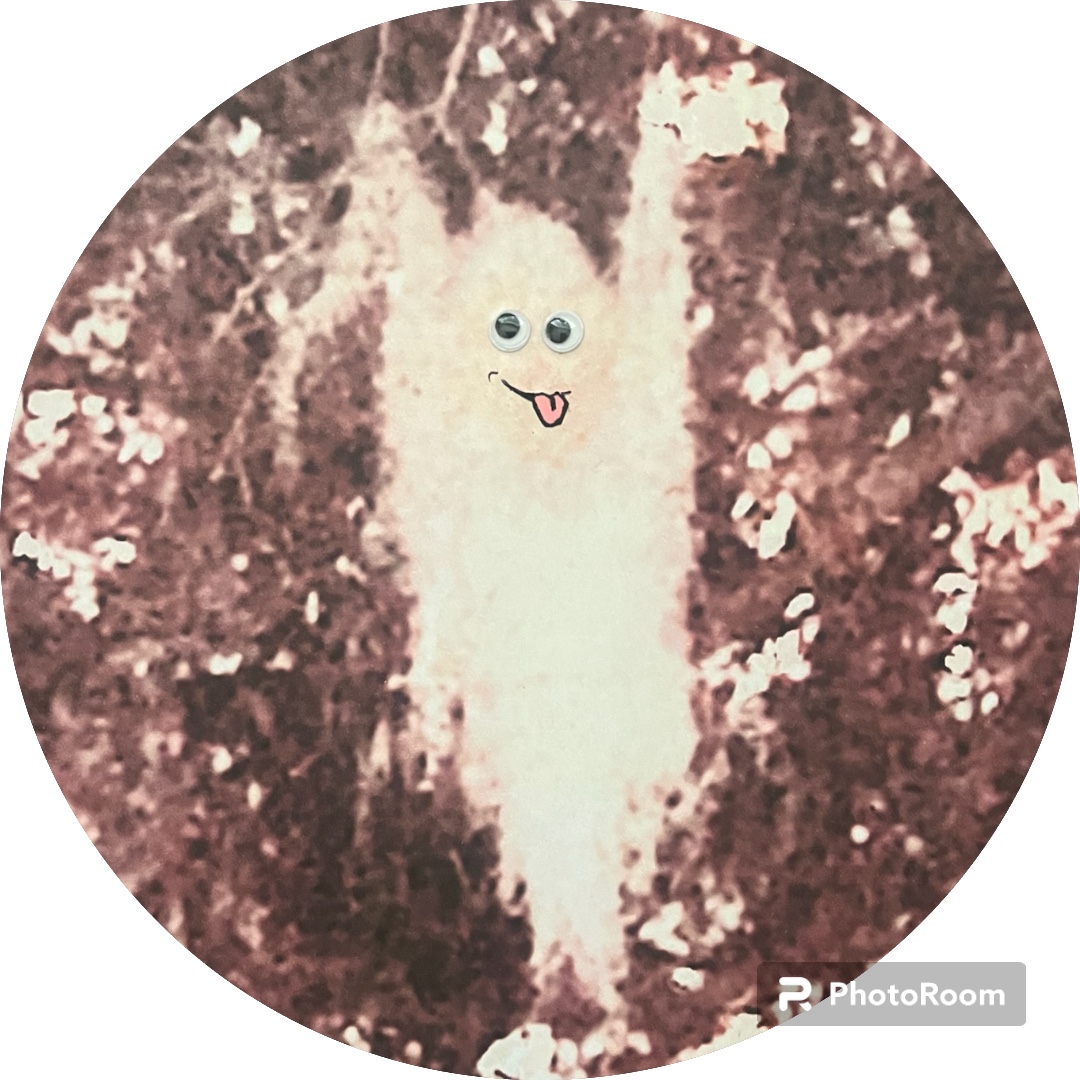
Poltergeists, often referred to as noisy spirits or mischievous entities, have intrigued humanity for centuries. From ancient folklore to modern parapsychological research, poltergeist phenomena are characterized by disturbances
that often defy conventional explanations. This essay delves into the complexity of poltergeist phenomena, exploring their characteristics, associated theories, and recent academic insights.
Understanding Poltergeist Phenomena
The term "poltergeist" is derived from the German words poltern (to make noise) and geist (ghost), signifying disturbances that involve the movement of objects, rapping sounds, and other bizarre occurrences. According to a detailed analysis presented in a phenomenological study, poltergeist events can be categorized into several distinct types that reflect the nature of the disturbances and the environments in which they occur [1]. This categorization aids in understanding the complexities of these phenomena.
Types of Poltergeist Events
Physical Disturbances: These include the movement of objects, often in ways that appear to be directed by an unseen force. Items may be thrown, levitated, or inexplicably relocated [1].
Auditory Manifestations: Poltergeists are known for creating sounds that can range from tapping noises to loud crashes. These audio disturbances often occur in various patterns and can be attributed to both environmental factors and psychological influences [1].
Visual Phenomena: In some cases, witnesses report seeing apparitions or lights associated with poltergeist activity. Although less common, these visual manifestations heighten the mystery surrounding poltergeists [1].
Temperature Changes: Sudden shifts in temperature may accompany poltergeist activity, often described as cold spots in areas of high disturbance [1].
Psychological and Contextual Factors
Understanding the psychological aspects surrounding poltergeist phenomena is crucial. Research by [2] highlights that many poltergeist events often occur in stressful situations or during periods of psychological upheaval, particularly among adolescents. This connection alludes to the potential role of psychic abilities, or psi, as a trigger for these events, linking emotional states to physical disturbances.
Furthermore, contextual factors significantly influence the manifestation and reporting of poltergeist events. A study aimed at replicating and extending previous research found that the environmental context—such as cultural background and individual beliefs—shapes how witnesses perceive and interpret poltergeist-like
experiences [3]. These contextual variables can often lead to varying reports of similar phenomena across different geographical and cultural landscapes.
Theories Surrounding Poltergeist Activity
Parapsychological Perspectives: The research primer on poltergeist phenomena outlines several hypotheses in the field of parapsychology. The first is the psi hypothesis, which posits that disturbances might stem from the unconscious mental activity of individuals, typically in emotionally charged environments [2]. This theory suggests that the human mind can produce physical manifestations, and poltergeist activity may reflect unresolved psychological issues [2].
The Poltergeist Mechanism: A Scientific Inquiry: A fascinating scientific angle is provided by investigations into gravitational waves and their relationship to poltergeist phenomena. The paper titled "The Poltergeist Mechanism - Enhancement of Scalar-Induced Gravitational Waves with Early Matter-Dominated Era" explores how poltergeists may be linked to gravitationalanomalies, potentially providing a physical basis for these unexplained occurrences [4]. While this theory is still in its infancy and requires further research, it suggests that poltergeist activities could relate to undiscovered physical laws operating at scales we do not yet fully understand.
Archetypes and Modern Interpretations: Philosophically, poltergeists have been reviewed through the lens of archetypes, tying the phenomena to universal symbols and motifs that reflect humanity's understanding of supernatural forces. An article discussing archetypes, psi, and poltergeists asserts that our historical narratives and contemporary interpretations of poltergeists reveal much about human psychology and cultural beliefs regarding the unknown [5]. This angle illustrates that poltergeist events might symbolize deeper psychological truths and societal anxieties.
Case Studies in Poltergeist Activity
Numerous documented cases highlight the complexities surrounding poltergeist phenomena. One notable case included the Bell Witch of Tennessee, who reportedly engaged in frightening activities that affected an entire family over several years. Documented interactions included mysterious sounds, physical disturbances, and the
appearance of phenomena that baffled witnesses and left a lasting cultural impact. Such accounts underscore the relevance of both emotional and environmental contexts in interpreting poltergeist activities.
Another case study involved the Enfield Poltergeist in the UK, where a family experienced a range of disturbances, from furniture being moved to voices emanating from unseen entities. Investigations revealed that the events occurred primarily around the two young daughters in the household, supporting the notion of a psychological component to the poltergeist phenomenon [2].
Concluding Thoughts
Poltergeists represent one of the most perplexing aspects of parapsychological research, straddling the line between the physical and the psychological, the known and the unknown. The ongoing study of these
phenomena is both an exploration of human experience and a quest for understanding the nature of reality itself.
As research progresses, particularly within the realms of psychology and physics, our understanding of poltergeists may reveal insights not only into unexplained phenomena but also into the depths of human emotion
and consciousness.
References
1. Dulk, A. J. A Detailed Phenomenology of Poltergeist Events. Retrieved from https://philpapers.org/rec/ DULADP
2. Kluft, R. P.The Poltergeist Phenomenon: A Primer on Parapsychological Research and Perspectives. Retrieved from https://cpb-us-w2.wpmucdn.com/web.sas.upenn.edu/dist/b/160/files/2017/04/poltergeist_phenomena-_a_primer_on_parapsychological_research_and_perspectives-247fv93.pdf
3. O’Donnell, J. *Contextual Mediation of Perceptions During Hauntings and Poltergeist-Like Experiences: A Replication and Extension*. Retrieved from https://pubmed.ncbi.nlm.nih.gov/11065304/
4. Vallee, J. *The Poltergeist Mechanism - Enhancement of Scalar-Induced Gravitational Waves with Early Matter-Dominated Era*. Retrieved from https://arxiv.org/abs/2511.07266
5. Knapp, P. *On Archetypes, Psi, and Poltergeists – A Philosophical Review and an Update on the 21st Century Poltergeist*. Retrieved from https://www.parapsychologypress.org/jparticle/jp-87-1-4-8


Comments