


(Spirit Box) 1835 Burning Abolitionist Mail
- History, Haunts, & Hahas!
- Jan 12
- 2 min read
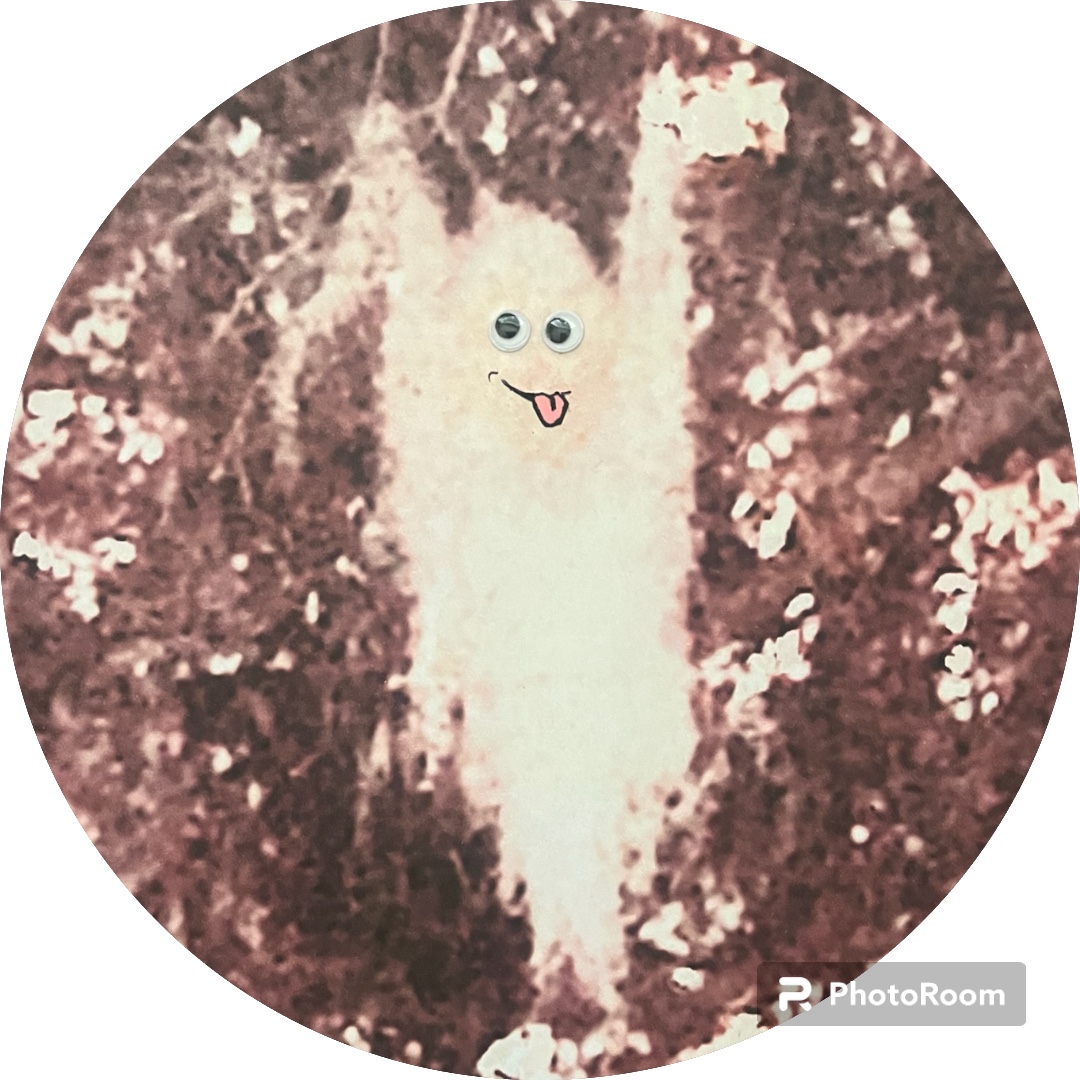
(Standing Between the Provost Dungeon & The Old Exchange Site on January 1, 2026 using Spirit Communicator Word Rendering Tool. The anniversary of Heartbreak Day and/or Freedom Day)
[9:26:33 PM] I candle hell vampire
[9:26:24 PM] wait shadow fate picture greetings witching hour
[9:26:18 PM] lord hoodoo century restless no run
[9:26:05 PM] incomplete unfinished return djinn water watch
[9:25:55 PM] four died free sister child mother
[9:25:43 PM] face samhain reaper castle realm orb
[9:25:30 PM] passed peaceful attic come specter soul
[9:25:22 PM] them speak brother love always pirate
[9:25:13 PM] desperate leave man run pirate plague
[9:25:01 PM] soul corner remember please hear trust
[9:24:51 PM] restless pain hear thin dusk face
[9:24:41 PM] justice lonely hurt confused dead trapped
[9:24:31 PM] after hide pray justice victorian stay
[9:24:20 PM] presence name grave children hate killed
[9:24:14 PM] love girl dead far died protect
[9:24:03 PM] died God follow hello sudden cross
[9:23:54 PM] threshold now slavery man presence poisoned
[9:23:39 PM] angry demon burned book dying shadow figure
[9:23:25 PM] room danger plantation stranger blessed justice
[9:23:13 PM] me danger joy salt murder
[9:23:39 PM] angry demon burned book dying shadow figure
These words displayed in one singular archival event that pertained to Charleston, South Carolina: an 1835 movement of burning abolitionist propaganda that the north flooded into our mail stream.

The American Anti-Slavery Society (A.A.S.S) saw the continued practice of slavery as evil. The society took to the mail to spread the word, “to convert sinners, including those whose sin was slaveholding.”(1) Charleston was convinced that it was their right and perhaps even their duty to stop this mail in its tracks. President Andrew Jackson even gave direct “permission …to refuse delivery” (1) of this mail.
The most prominent rationale was fear-based. After the Denmark Vessey resistance of 1822, Charleston had a careful thumb on their oppressed demographic. “Owners” of enslaved people were worried that the agenda-heavy mail could end up in the hands of their “employees” and incite discord, backlash, and potential riots.
On Wednesday, July 29, 1935 after 10:00 P.M., 3,000 disgruntled Charlestonians, “the Lynch Men,” arrived at the Old Exchange & Provost Building ready to get rid of this mail. Having served multiple functions simulateously and transitioning over the years, this was the post office (among other things) at the time. Indiscriminately ransacking the mail of the propaganda fliers and personal effects, they began to burn the mail. Being that this was a felony, the police abruptly ended the display (2).
The following day, the resistance renewed its attempts with a more forceful manner. Once again at the Provost building, the group broke a window and began quickly shoveling out all of the mail. The mail was brought to what is now the parade grounds of the Citadel (Marion Square) and tossed into a bonfire (2).


Comments