


Spirits and Ghosts: Understanding Cultural, Scientific, & Psychological Dimensions
- History, Haunts, & Hahas!
- Jan 16
- 4 min read
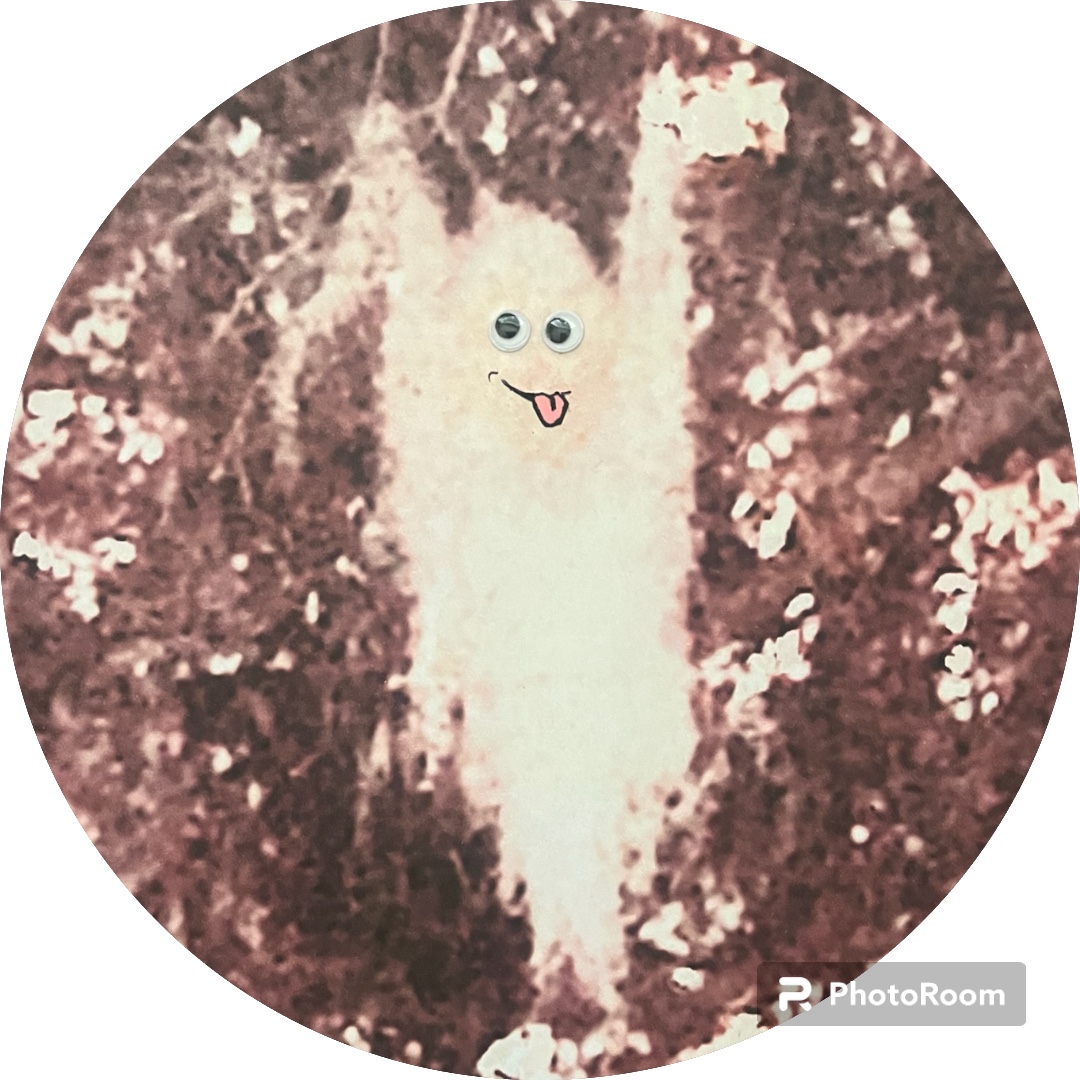
The fascination with spirits and ghosts has permeated cultures around the world for centuries. These supernatural entities, often depicted as remnants of the deceased, provoke countless personal anecdotes and scholarly explorations. This blog post delves into the multifaceted nature of spirits and ghosts, exploring their existence as residual energies, the intersection of culture and belief systems, psychological implications, and scientific inquiries into the paranormal.
Understanding Ghosts as Lingering Energy
One prevailing theory in ghost lore is the idea of ghosts as residual energy. According to the report "Ghosts as Lingering Energy: Cultural Beliefs, Scientific Theories, and Case Studies," ghosts are often perceived as an imprint of energy left behind by individuals who have passed away, particularly in locations where strong emotional events have occurred [1]. This concept is rooted in both scientific speculation and anecdotal evidence, suggesting that the essence of individuals may persist in the environment after death.
This view aligns with the Stone Tape Theory, which posits that buildings and locations can absorb and replay emotional energies, allowing residual hauntings to manifest [2]. For example, locations that have experienced trauma, such as battlefields or places of loss, are often reported to house ghostly presences. Sightings and experiences at these sites are often attributed to the re-experiencing of these energies.
Cultural Beliefs and Ghost Stories
Ghosts are deeply embedded in cultural narratives worldwide, each society offering unique perspectives on the afterlife. In many cultures, spirits serve as reminders of mortality and the unknown, emphasizing moral lessons or reinforcing societal values. In Western cultures, for instance, ghosts are frequently depicted in literature and film as haunting figures seeking resolution or revenge, contributing to the archetypal narrative of the tragic ghost [1].
In contrast, many Indigenous cultures view spirits as guardians of the earth, their energy intertwined with nature. This duality reflects a broader theme in supernatural beliefs: while some cultures demonize spirits, others revere them as essential components of life and the environment [4].
The Role of Ghosts in Folk Traditions: Ghost stories often serve a pedagogical function, teaching lessons about ethical behavior and consequences. Through these narratives, communities process grief, explore their beliefs about the afterlife, and address unresolved issues left by the deceased. In contemporary society, ghost tours and Halloween traditions highlight the continuing appeal of ghosts within popular culture, engaging the public's curiosity about death and the supernatural.
Scientific Perspectives on Paranormal Phenomena
The alleged existence of spirits has also prompted scientific inquiry, particularly within fields examining the intersection of environmental science and psychology. Research has shown that some paranormal experiences may be linked to environmental factors. For example, electromagnetic fields (EMF) have been studied for their potential role in eliciting feelings of uneasiness or eeriness, often reported by individuals in supposedly haunted locations [3]. This aligns with findings from papers on paranormal ghost investigations, which assert that occurrences attributed to ghostly presence often correlate with measurable environmental anomalies [3].
The Role of Cognitive Function: The connection between paranormal beliefs and cognitive function has been the subject of systematic reviews. Such studies indicate a correlation between these beliefs and certain cognitive styles, such as higher levels of intuition and a propensity for pattern recognition [5]. Those who believe in ghosts may be more inclined to interpret human experiences through a lens that privileges supernatural explanations over rational ones. This tendency could reflect broader cognitive processes, encouraging individuals to derive meaning from complex or unexplained phenomena [2].
The Psychology of Belief
Engagement with ghost stories and paranormal beliefs often reflects deeper psychological needs and cognitive biases. According to the systematic review on paranormal beliefs, motivations behind such beliefs may include a desire for comfort in the unknown, coping mechanisms for grief and loss, and a search for personal agency in an unpredictable world [5].
Belief in ghosts can also provide subjective validation and a sense of control, particularly amidst existential contemplation. Individuals who experience the loss of loved ones may find solace in believing that these individuals are not entirely gone but exist in a different form—this intertwining of grief and belief shapes how cultures interpret the concept of life after death.
Case Studies and Anecdotal Evidence
Documented cases of ghost sightings can serve to further illuminate the diverse perceptions of spirits. From reports of apparitions in old battlefields to accounts of poltergeist activity within domestic settings, each sighting contributes to a broader tapestry of human experiences with the paranormal. Research indicates the significance of context, including cultural beliefs and societal influences, in shaping these encounters [1]. People witnessing events often interpret them based on cultural narratives and their expectations of ghostly phenomena.
In the U.S., for instance, the increasing popularity of ghost hunts and tours showcases a cultural interest in ghosts as phenomena that may or may not be scientifically validated; such events blend entertainment with alleged real-life encounters with the supernatural [4].
Conclusion
The enduring fascination with spirits and ghosts encapsulates a complex interplay of cultural beliefs, psychological motivations, and scientific inquiry. As theories like residual hauntings and the Stone Tape Theory elucidate the understanding of ghosts as possibilities within a framework of lingering energy, the cultural narratives surrounding these entities continue to evolve.
Ghosts symbolize humanity's struggle with mortality, a desire for meaning amidst loss, and the quest for connection beyond the physical realm. Through personal stories, cultural narratives, and scientific explorations, they remind us of both the mystery of existence and the depths of human emotion. As we continue to probe the boundaries of what lies beyond life, the dialogue between belief and skepticism remains essential, driving us toward a more profound understanding of both ourselves and the unseen world around us.
References
Paranormal Country. (2025). Ghosts as Lingering Energy: Cultural Beliefs, Scientific Theories, and Case Studies. Retrieved from Paranormal Country Report
Lewis, S. (2002). Paranormal Beliefs 1. Retrieved from Thesis on Paranormal Beliefs
Paranormal Ghost Investigation. Is its Foundation Scientific? Retrieved from IJSI Article
Bader, C. D., Mencken, F. C., & Baker, J. O. (2015). Paranormal America: Ghost Encounters, UFO Sightings, Bigfoot Hunts, and Other Curiosities in Religion and Culture. Retrieved from Academic Article
Harrison, H., et al. (2022). Paranormal beliefs and cognitive function: A systematic review. Retrieved from PMC Article


Comments