


👻 Where History Walks With Ghosts: Charleston’s Most Haunted Places
- History, Haunts, & Hahas!
- Jan 28
- 5 min read
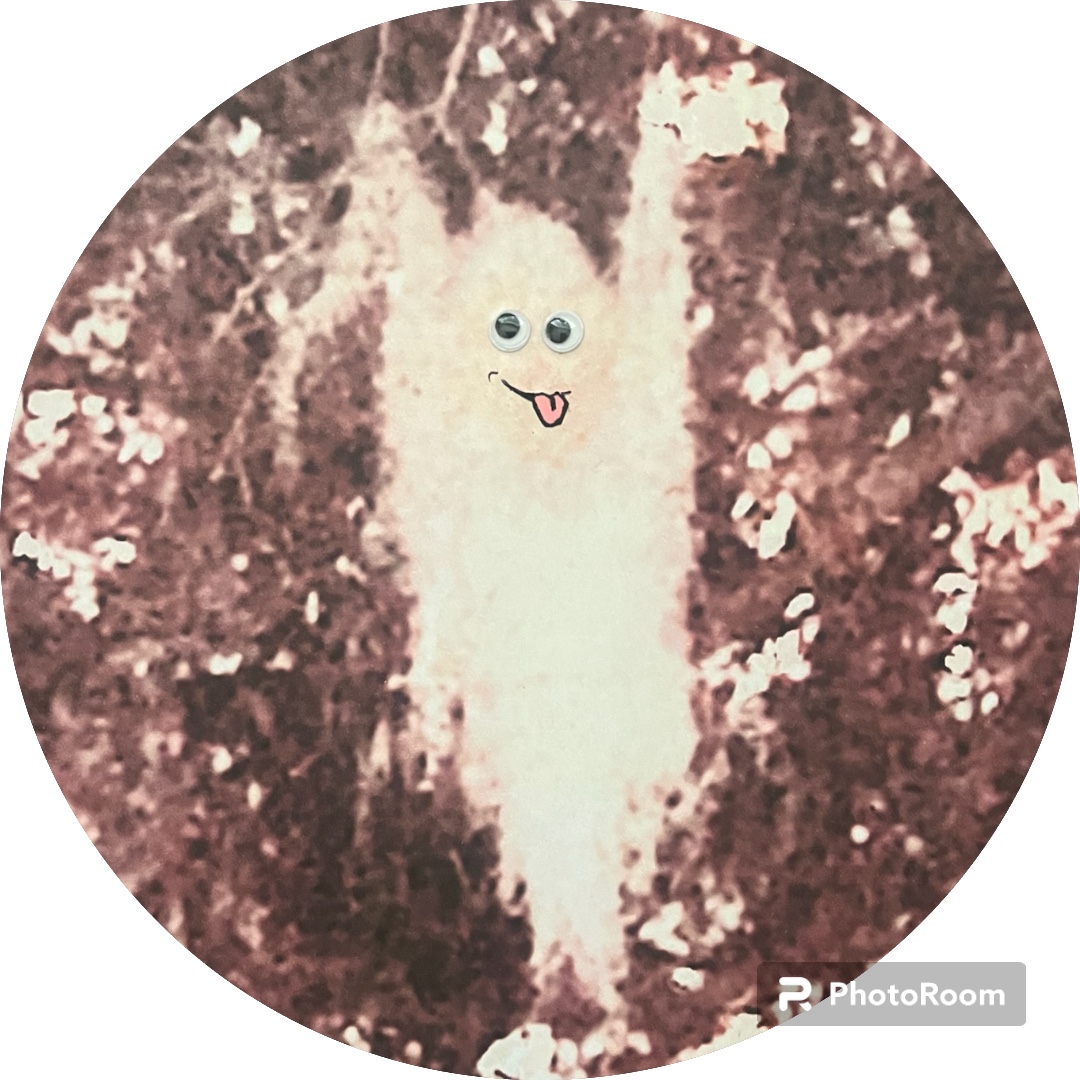

Charleston, South Carolina isn’t just one of America’s most beautiful historic cities — it’s also one of its most haunted. With more than 300 years of layered history — colonial settlement, slavery, war, disease, executions, and sudden tragedy — it’s no surprise that residual energy and ghost stories seem embedded into the city’s fabric. Whether you take this with belief, skepticism, or somewhere between, the tales are vivid, pervasive, and deeply connected to real history.
Below are Charleston’s most haunted sites, with why they might be haunted (historically + scientifically), what people claim to experience, and documented or recurring paranormal reports that have accumulated over decades.
🏢 The Old City Jail — A Fortress of Spirits
🕰️ History
Operating from 1802 to 1939, the Old City Jail housed pirates, murderers, Civil War prisoners, and the infamous Lavinia Fisher — widely believed to be America’s first female “serial killer.” Fisher was executed here in 1820 and reputedly cursed the town as she left — a line later taken up in ghost lore.
👻 Why It Might Be Haunted
This space was the setting for enormous human suffering: harsh incarceration, execution, disease, and despair. From an energetic framework, environments with intense emotional activity — especially fear, pain, and death — are thought to “imprint” energy patterns that can manifest as residual hauntings. Scientific theories about haunting phenomena often point to stored energy or electromagnetic activity in stone and confined spaces as possible vectors for anomalous experiences. (See paranormal research summaries in studies of haunt phenomena for context.)
👀 Reported Experiences
Visitors and investigators report:
Disembodied voices and moans
Shadow figures
Sudden cold spots
Tactile sensations like cold brushes on skin
Paranormal images captured on camera during tours
One paranormal commenter described a heavy weight on the chest, ringing in the ears, and tunnel vision while inside, consistent with strong emotional responses that many interpret as spirit presence.
🎭 Dock Street Theatre — Spirits Behind the Curtain
🕰️ History
Opened in 1736, the Dock Street Theatre is one of the nation’s oldest performance spaces — and many of its buildings stood as hotels, boarding houses, or ephemeral structures before that. Its long artistic lineage and tumultuous past make it rich ground for ghost lore.
👻 Why It Might Be Haunted
Performing arts spaces are dramatic by nature — filled historically with emotional highs and lows. When people create strong emotional imprints (excitement, heartbreak, stress), folklore tends to follow.
👀 Reported Experiences
The theatre’s most famous ghosts:
Nettie Dickerson — often seen in a red dress on the second floor or balcony, reportedly struck by lightning centuries ago.
Junius Brutus Booth — the father of John Wilkes Booth, said to haunt the wings or balcony, watching performances as if still part of the audience.
Phantom footsteps
Cold drafts
Apparitions in balconies or backstage areas
⛪ Unitarian Church Graveyard — Lady in White
🕰️ History
Established in 1772, this is one of the oldest cemeteries in the South. It’s long linked to stories of Annabel Lee, the subject of Edgar Allan Poe’s poem — a tragic romance involving the sea, young love, and death.
👻 Why It Might Be Haunted
Graveyards hold strong cultural and emotional significance. Scientifically, burial grounds represent boundaries between life and death — spaces where human memory and ritual focus intensely on loss and remembrance.
👀 Reported Experiences
The “Lady in White” figure, especially near dusk or misty evenings
Sensations of sorrow or overwhelming sadness among visitors
Apparitions gliding through headstones
🪓 Old Exchange & Provost Dungeon — Echoes of Pain
🕰️ History
Originally built in 1767, the Provost Dungeon was used by British colonial forces to imprison pirates, Revolutionary War prisoners, and other detainees. The conditions were brutal, cramped, and traumatic — perfect ground for haunting tales.
👻 Why It Might Be Haunted
Psychologically and historically, places of extreme confinement and suffering often generate powerful stories of lingering spirits. Paranormal investigators frequently explore such sites due to suppositions that emotional intensity leaves detectable traces.
👀 Reported Experiences
Moaning and crying sounds from below
Chains moving independently
Feelings of dread or heaviness reported by visitors
Hair tugging or sudden cold spots noted in oral accounts
🍽️ Poogan’s Porch Restaurant — Zoe St. Amand’s Presence
🕰️ History
What’s now a beloved Charleston restaurant was once a home — where Zoe St. Amand lived until her death in 1954. The legend asserts her spirit still lingers.
👀 Reported Experiences
Sightings of Zoe’s ghost, especially in daylight
Feeling watched or accompanied while dining
Tables reportedly reset themselves — silverware or settings moved without explanation
⚔️ White Point Garden & The Battery — Soldiers, Pirates, and Execution Grounds
🕰️ History
This scenic park was once a site of public execution, including the hangings of pirates in the early 1700s. Several Revolutionary and Civil War soldiers defended this point.
👻 Why It Might Be Haunted
Execution sites and battle locations involve traumatic intensity, which many believe — in both folklore and certain paranormal theories — can imprint on the environment.
👀 Reported Experiences
Ghostly figures near historic cannons
Strange lights or sensations at night
Apparitions moving along the garden’s perimeter
🏨 Battery Carriage House Inn — Ghosts of Guests Past
🕰️ History
This historic inn overlooking the Battery has accumulated tales of apparitions.
👻 Why It Might Be Haunted
Old inns and lodging spaces see countless transitions — arrivals, departures, joy, illness, and death — which in folklore often leads to reports of lingering spirits.
👀 Reported Experiences
A headless apparition — sometimes seen wandering hallways
A refined “gentleman ghost” seen in period attire
Apparitions standing silently at the foot of beds before disappearing
🧠 Scientific & Psychological Interpretations
While many firsthand accounts claim vivid experiences — footsteps, figures, whispers, cold spots — scientists and skeptics often point to alternative explanations:
🧪 Environmental Factors
Low electromagnetic fields in old buildings, which some studies (e.g., Tressoldi, 2012) show can trigger sensations of presence or eeriness
Infrasound from nearby machinery or wind can cause discomfort and a feeling of being watched
Humidity and temperature shifts leading to unexplained cold drafts
🧠 Cognitive Patterns
Expectation & suggestion: People primed to experience something eerie often interpret ambiguous stimuli as paranormal
Residual memory: Old structures carry sensory associations (voices, footsteps) that our brains attempt to organize into familiar patterns
Neither approach disproves eyewitness claims, but they contextualize why experiences cluster in certain places and why people feel haunted. (See research on infrasound and environmental psychology in ghost studies.)
🧾 Final Thoughts
Charleston’s haunted reputation isn’t random. It’s built on real history — execution grounds, prisons, battle sites, tragic deaths, and centuries of human experience. These give birth to layered stories that people continue to report, investigate, and debate. Whether you interpret them as spirits lingering in the night, echoes of history, or psychological phenomena triggered by environment and expectation, one thing is certain: Charleston’s haunts are as deep as its roots.
📚 Citations
Charleston’s most haunted sites overview — National Geographic.
Charleston haunted legends: Old City Jail, Exchange & Provost, Poogan’s Porch.
Ghostly hotspots including Jail, Unitarian Graveyard, Battery Carriage House.
Psychological and historical context of hauntings — Charleston CVB.
Additional historic lore (pirates, executions).


Comments