


Why Charleston Has So Many Ghosts
- History, Haunts, & Hahas!
- Dec 20, 2025
- 3 min read
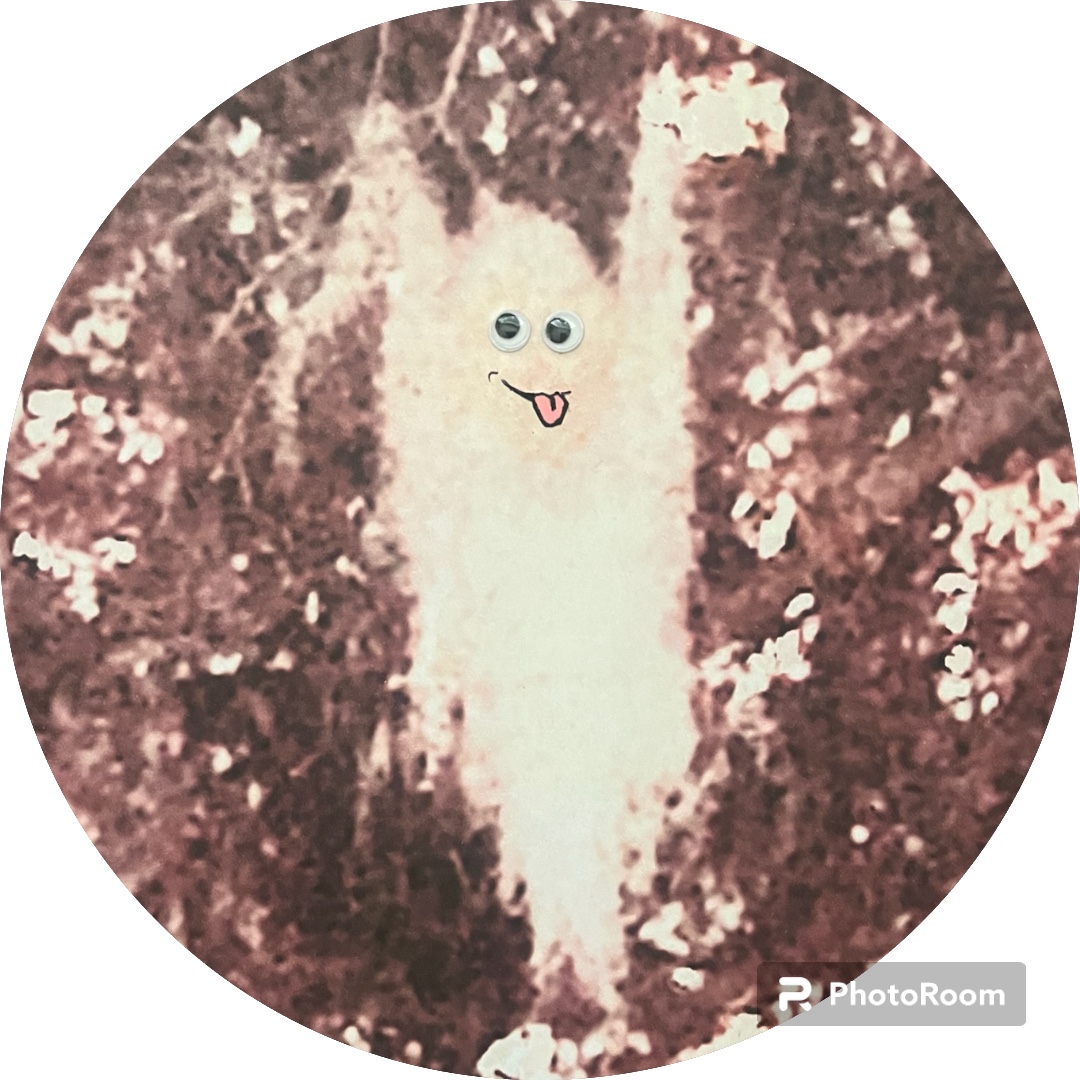
Charleston, South Carolina is often called one of the most haunted cities in America. The sheer number of ghost stories attached to its streets, homes, churches, and waterways raises an obvious question: why here? The answer lies not in a single event or legend, but in a convergence of history, geography, architecture, and cultural storytelling traditions that have made Charleston uniquely fertile ground for ghost lore.
A CITY BUILT ON CENTURIES OF LIFE AND DEATH
Charleston is one of the oldest continuously inhabited cities in the United States. Since its founding in the late 1600s, the city has experienced centuries of intense human activity compressed into a relatively small geographic area. Wars, epidemics, fires, hurricanes, and economic booms and collapses have all left physical and emotional marks.
Yellow fever, smallpox, cholera, and other diseases claimed thousands of lives in Charleston before modern medicine. Entire neighborhoods were repeatedly affected, often with little understanding of how or why illness spread. High mortality rates made death a constant presence, and ghost stories emerged as a way to process grief and uncertainty.
THE IMPACT OF SLAVERY AND UNACKNOWLEDGED TRAUMA
Charleston was a central port in the transatlantic slave trade, and the legacy of slavery is deeply embedded in the city’s landscape. Enslaved people lived, labored, suffered, and died throughout Charleston’s homes, markets, docks, and plantations. Many of these histories were excluded from official records for generations.
Ghost stories often fill the gaps where written history is silent. Legends tied to enslaved individuals, unmarked burial grounds, and former workhouses reflect unresolved trauma and collective memory. In this way, Charleston’s ghosts are as much about remembrance as they are about fear.
ARCHITECTURE THAT HOLDS HISTORY
Charleston’s preserved historic buildings play a major role in its haunted reputation. Homes, churches, theaters, and alleyways from the 18th and 19th centuries still stand, often in their original locations. These structures were lived in intensely, with multiple generations experiencing life and death within the same walls.
Old buildings encourage storytelling. Uneven floors, hidden passages, reused materials, and weathered cemeteries invite imagination and interpretation. When places survive longer than their original occupants, stories naturally attach themselves to the spaces left behind.
GEOGRAPHY, ISOLATION, AND THE NATURAL ENVIRONMENT
Charleston’s coastal environment has shaped its ghost lore. Fog, marshes, graveyards affected by flooding, and quiet waterfronts create atmospheric settings that heighten sensory experiences. Before electric lighting and modern infrastructure, nighttime Charleston would have been dark, humid, and filled with unfamiliar sounds.
Marshlands and waterways also contributed to burial practices and displacements over time. Flooding sometimes exposed graves or altered landscapes, reinforcing beliefs that the dead remained close to the living.
A STRONG TRADITION OF STORYTELLING
Charleston’s ghost culture persists because of its storytelling traditions. African, Caribbean, and European folklore blended in the Lowcountry, creating rich oral histories involving spirits, omens, and the supernatural. These stories were passed down through families, communities, and cultural groups.
For enslaved people and marginalized communities, folklore served as both entertainment and education. Ghost stories preserved warnings, moral lessons, and historical truths in ways that were safer to share than direct accounts.
TOURISM, PRESERVATION, AND MODERN INTEREST
Charleston’s reputation for ghosts is reinforced by preservation and tourism. The city’s commitment to maintaining historic sites keeps the physical settings of ghost stories intact. Tours, books, and performances have helped standardize certain legends, ensuring their survival.
Importantly, many modern interpretations are shifting toward responsible storytelling. There is increased emphasis on historical accuracy, cultural context, and acknowledging the real human suffering behind the stories.
WHY THE GHOSTS ENDURE
Charleston’s ghosts endure because the city itself endures. Layers of history remain visible rather than erased, and folklore continues to give voice to experiences that shaped the city. Ghost stories offer a way to confront the past without reducing it to dates and statistics.
CONCLUSION
Charleston has so many ghosts because it has so much memory. Centuries of intense human experience, preserved architecture, cultural storytelling traditions, and unresolved trauma have combined to create a city where the past feels alive. Whether believed literally or understood symbolically, Charleston’s ghosts are reflections of history that refuses to be forgotten.
SOURCES AND ACCREDITED REFERENCES
College of Charleston – Lowcountry history and archival research
South Carolina Historical Society
The Avery Research Center for African American History and Culture
Smithsonian National Museum of African American History and Culture
Library of Congress – American Folklife Center
Academic studies on folklore, memory, and historic preservation in the American South


Comments