


Why Charleston is the Perfect City to Be Haunted
- History, Haunts, & Hahas!
- Dec 20, 2025
- 3 min read
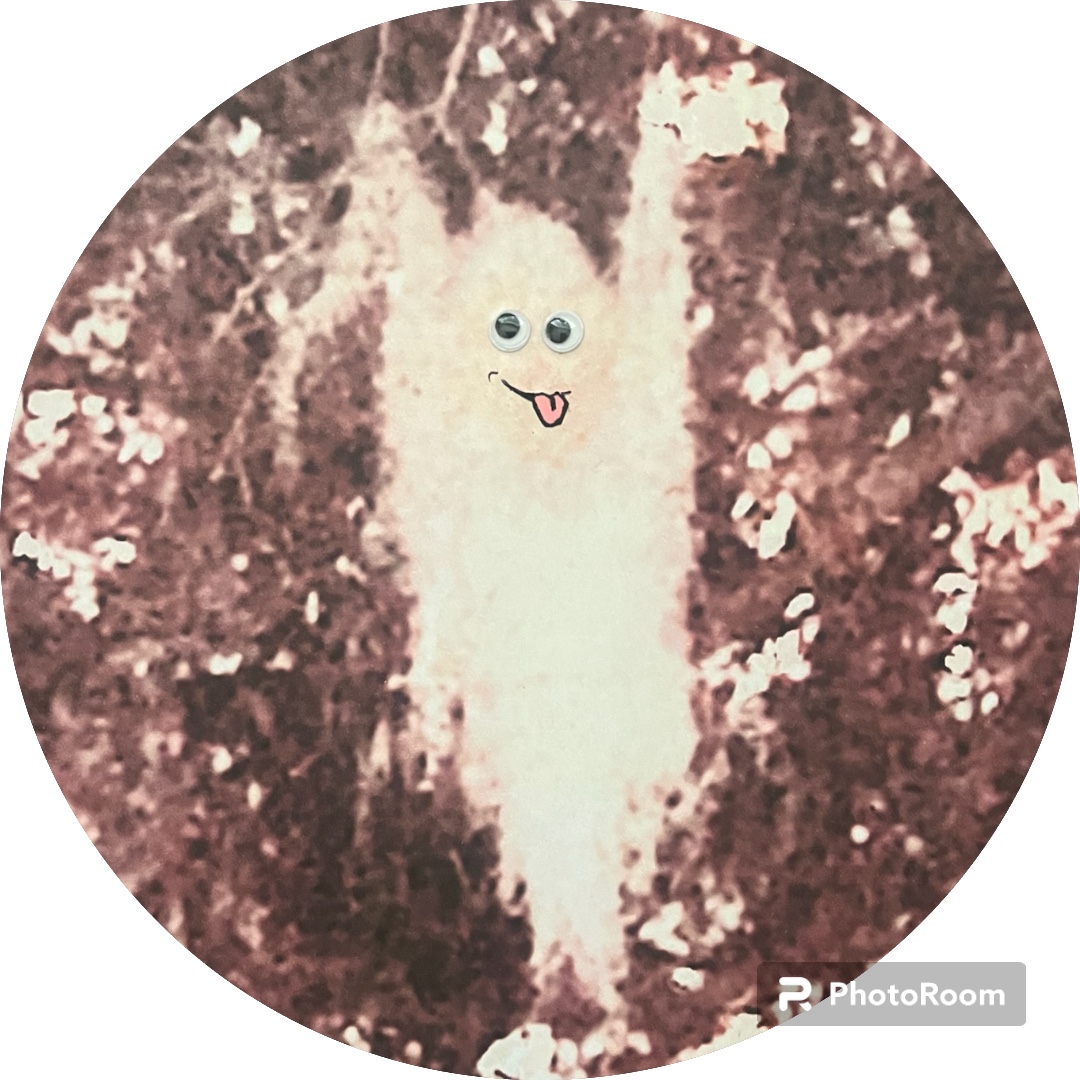
(And why comedy ghost tours work so well here)
Charleston isn’t haunted by accident. It’s haunted by history, atmosphere, and abundant storytelling tradition — all of which make it uniquely perfect for ghost tours that are spooky, funny, and drink-friendly.
OLD CITY PROBLEM #1: CHARLESTON NEVER LETS ANYTHING GO
Most cities knock down old buildings when they get inconvenient. Charleston keeps buildings. Preservation here is a cultural value, not a trend. The Preservation Society of Charleston documents how 18th- and 19th-century structures are protected and reused rather than replaced, creating a very dense historical environment that still functions today.
The result? Centuries of human activity layered on the same streets and inside the same walls — which makes for great hauntings and great stories.
CHARLESTON HAS ALWAYS BEEN A DRINKING TOWN WITH A DAY JOB
Charleston’s history is deeply entangled with colonial trade, port culture, and social gathering spaces where alcohol was present long before modern regulation. Historic pubs and taverns served not just drinks, but community and news. These facts are detailed in city historic resource surveys, including how taverns functioned socially and economically in early Charleston.
Add Prohibition into the mix, and you get clandestine drinking spaces that later became part of local lore — especially when people using them over generations kept telling stories about them.
GHOSTS LOVE PUBS BECAUSE PEOPLE DO
Folklorists studying American ghost stories note that hauntings are most often reported in active social spaces — places of frequent emotional exchange, memory, and human presence — rather than abandoned buildings. The Library of Congress American Folklife Center discusses how ghost stories persist where storytelling thrives.
Comedy ghost tours leverage that truth: people expect stories in social spaces, and pubs are where stories (and spirits, in legend) gather.
MIRRORS, ALCOHOL, AND BAD DECISIONS: A HAUNTED TRIFECTA
Irish folklore about mirrors trapping spirits during grief periods is recorded in multiple cultural studies of Irish belief systems. Mirrors, like other reflective objects, are traditionally seen as liminal portals in Irish and British folk belief. The Smithsonian’s National Museum of American History and other folklife archives explain mirror taboos in grief rituals.
Enter Charleston’s Irish pubs filled with antique mirrors, good drinks, and visitors ready to see something. The cultural context makes the legend more compelling (and funnier when delivered with a stout in hand).
THIS CITY TRAUMATIZED ITSELF HISTORICALLY
Charleston’s documented history includes:
British occupation and siege in the Revolutionary War
Yellow fever, cholera, and other epidemic outbreaks
The Civil War and burning of the city in 1861
Repeated hurricanes and natural disasters
These events are archived in city records and historic society collections. Their emotional weight feeds the city’s collective memory and storytelling culture.
Ghost stories often grow from real historical pain and loss — not because the supernatural is real, but because humans use stories to process shared trauma.
WHY COMEDY GHOST TOURS WORK HERE
Charleston’s ghosts aren’t just spooky. They’re social.
Comedy ghost tours work because:
The stories are heavy, but Charleston isn’t afraid to joke about them.
The atmosphere is already theatrical — wrought iron, narrow alleys, old stones.
Laughter makes history digestible, especially paired with libations.
Community lore, historic context, and emotional connection give every tour a narrative arc — from tragedy to punchline.
THE REAL REASON CHARLESTON IS SO HAUNTED
It’s not just that the city is old.
It’s that Charleston remembers.
The buildings remember.
The streets remember.
The taverns remember.
And every time someone tells the same ghost story over and over — beer in hand — the legend grows a little more alive.
That’s why a ghost tour here isn’t just spooky island hopping; it’s collective memory with a beer menu.
SOURCES YOU CAN ACTUALLY TRUST
Preservation Society of Charleston — historic building reuse and preservation philosophy (preservationsociety.org)
City of Charleston Planning & Historic Resources — tavern and colonial social history (charleston-sc.gov)
Library of Congress – American Folklife Center — studies on ghost stories, storytelling, and cultural memory (loc.gov)
Smithsonian National Museum of American History — cultural belief practices including mirror lore (americanhistory.si.edu)
South Carolina Historical Society — archives on Charleston’s major historical events (southcarolinahistoricalsociety.org)


Comments